Best Barefoot Boots 2026: Hiking, Winter & Dress Options
The best barefoot boots for hiking, winter, and everyday wear. We review boots from Vivobarefoot, Lems, Xero, and Wildling with real-world testing.
Barefoot boots prove you don't have to sacrifice foot health when the temperature drops or the terrain gets rough. From premium leather hiking boots to ultra-minimal wool-lined options, the barefoot boot market has matured significantly. Here are the best options in 2026.
🏆 Quick Verdict
- Best Hiking Boot: Vivobarefoot Tracker Forest ESC II
- Most Stylish: Vivobarefoot Gobi III — desert boot you can dress up
- Best Value: Lems Boulder Boot — packable, versatile, affordable
- Most Minimal: Wildling Tanuki — 3.5mm sole, wool-lined
Quick comparison
| Shoe | Price | Rating | Best For | |
|---|---|---|---|---|
| Vivobarefoot Tracker Forest ESC II | $240 | 4.6/5 | Serious hiking | Check Price → |
| Xero Shoes Scrambler Mid | $150 | 4.3/5 | Budget hiking boot | Check Price → |
| Vivobarefoot Gobi III | $200 | 4.5/5 | Dress boot | Check Price → |
| Lems Boulder Boot | $140 | 4.4/5 | Versatile boot | Check Price → |
| Wildling Tanuki | $145 | 4.3/5 | Ultra-minimal | Check Price → |
Best barefoot boots, reviewed
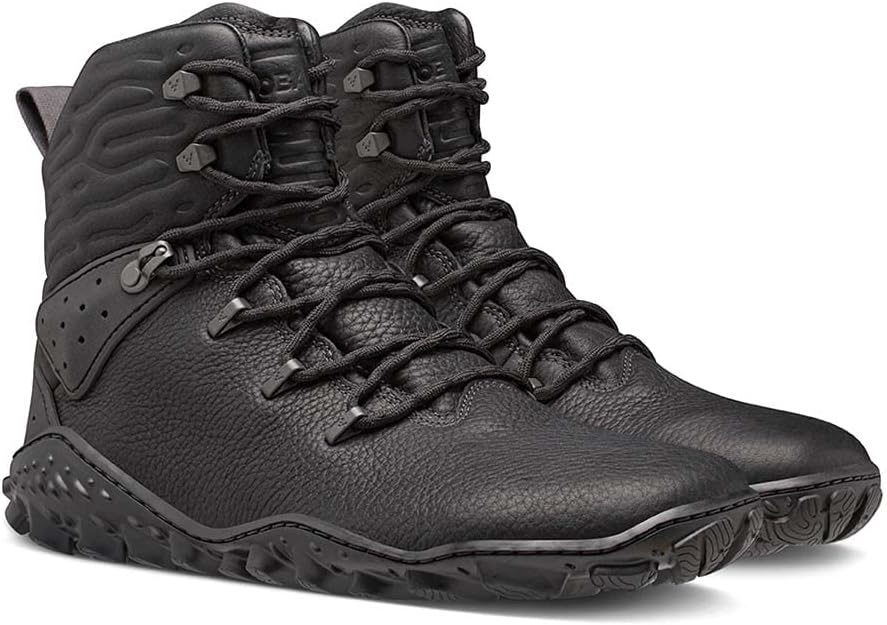
Vivobarefoot Tracker Forest ESC II
The Tracker Forest ESC II is Vivobarefoot's premium hiking boot — full leather, thermal insulation, and aggressive grip. The go-to choice for barefoot hikers tackling serious terrain in any weather.
✓ Pros
- • Excellent ankle support
- • Waterproof leather upper
- • Great trail grip
- • Premium build quality
✗ Cons
- • Very expensive
- • Heavy for a barefoot boot
- • Long break-in period
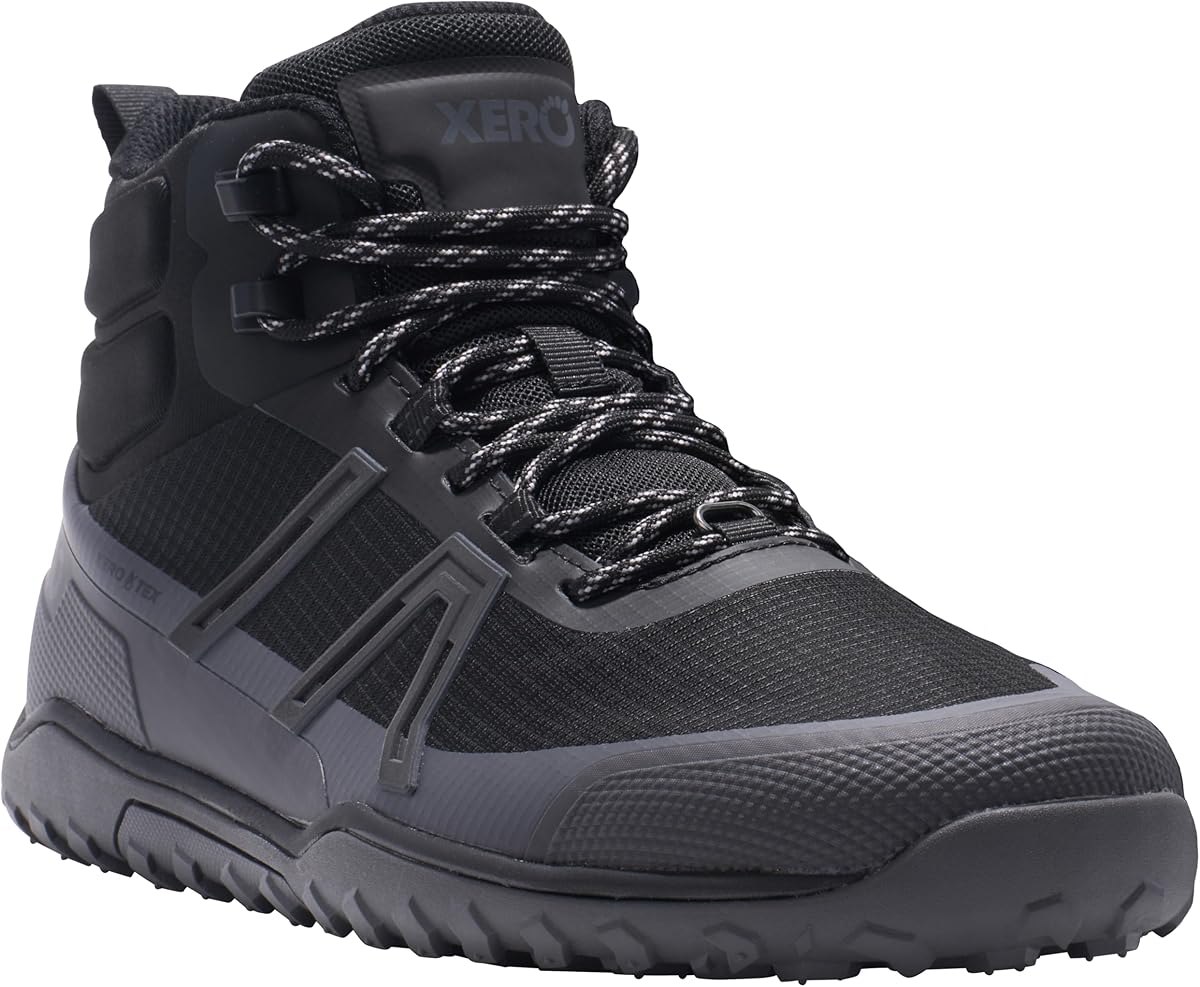
Xero Shoes Scrambler Mid
The Scrambler Mid gives you hiking boot functionality in a barefoot package — mid-cut support, lugged sole, and water resistance at a reasonable price. Great for those transitioning from traditional boots.
✓ Pros
- • Mid-cut ankle support
- • Lugged outsole
- • Affordable for a hiking boot
- • Water-resistant
✗ Cons
- • Not fully waterproof
- • Less ground feel than low-cuts
- • Can feel stiff at first
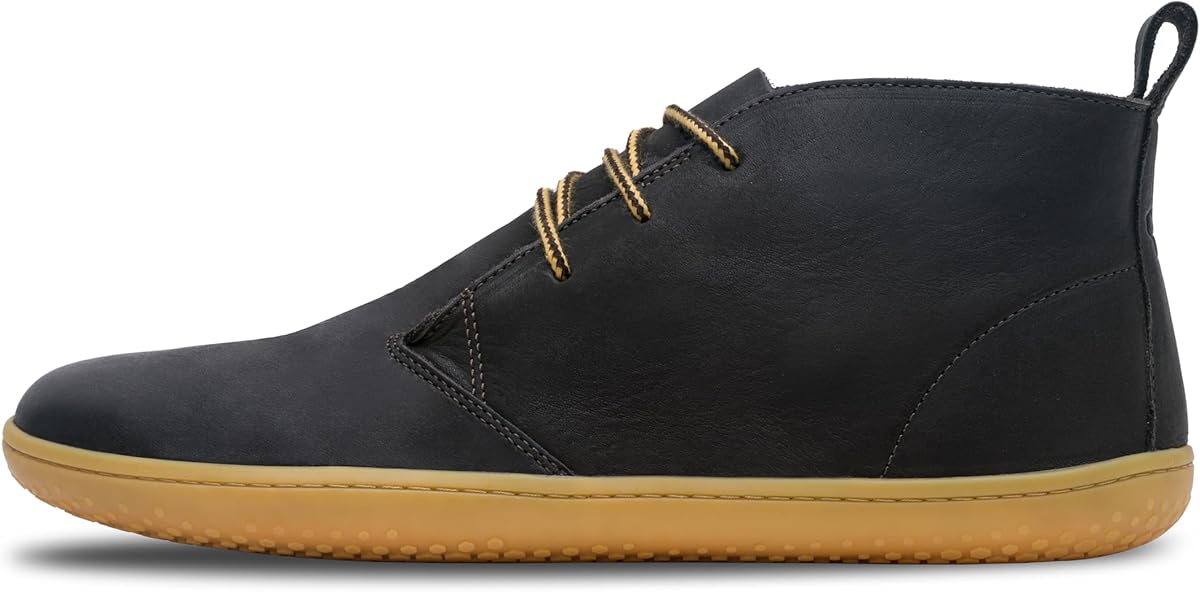
Vivobarefoot Gobi III
The Gobi III is a refined leather desert boot that hides its barefoot credentials well. Premium leather, wide toe box, and just 6mm of sole make it the best-looking barefoot boot for dressier occasions.
✓ Pros
- • Premium leather desert boot
- • Sleek enough for office wear
- • Excellent ground feel for a boot
- • Wide toe box hidden well
✗ Cons
- • Expensive
- • Leather needs conditioning
- • Soles can be slippery when wet
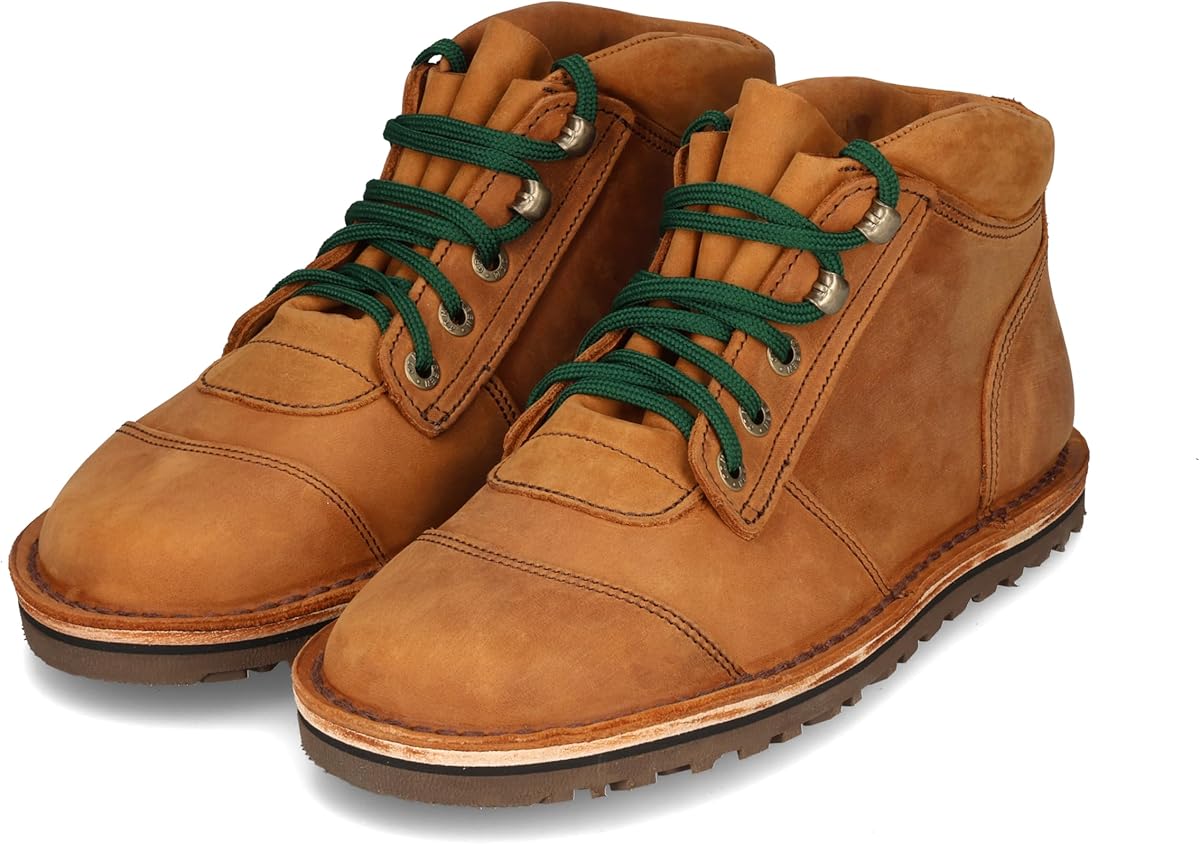
Lems Boulder Boot
The Boulder Boot is Lems' iconic barefoot boot — packable, extra-wide toe box, and versatile enough for trails or coffee shops. One of the most popular barefoot boots and a great entry point.
✓ Pros
- • Extremely wide toe box
- • Versatile casual-to-trail style
- • Roll-up packable design
- • Good value
✗ Cons
- • Not waterproof
- • Less ground feel with 12mm stack
- • Laces can be finicky
Wildling Tanuki
Wildling's Tanuki is a wool-lined mid-cut boot with one of the thinnest soles on the market (3.5mm). Made from sustainable materials, it's perfect for those who want maximum ground feel year-round.
✓ Pros
- • Ultra-minimal sole
- • Sustainable materials (hemp/wool)
- • Incredibly lightweight for a boot
- • Unique style
✗ Cons
- • Very thin sole — not for everyone
- • Limited weather protection
- • European sizing can be tricky
Types of barefoot boots
Hiking boots
Built for the trail with aggressive outsoles, protective uppers, and often water resistance. The Vivobarefoot Tracker and Xero Scrambler Mid are the standouts. Expect thicker soles and more weight than everyday barefoot shoes.
Desert / Chelsea boots
Fashion-forward with thin soles. The Vivobarefoot Gobi III is the benchmark — it looks like a conventional desert boot but maintains barefoot principles. Great for office wear and going out.
Winter boots
Insulated and water-resistant for cold weather. Look for wool-lined options (like the Wildling Tanuki) or insulated hiking boots. Vivobarefoot also makes winter-specific versions of the Tracker.
Casual / everyday boots
The Lems Boulder Boot exemplifies this category — versatile enough for a trail walk then coffee downtown. Typically lighter than hiking boots with more casual styling.
What to look for
- Sole thickness: Ranges from 3.5mm (Wildling) to 12mm (Lems Boulder). Thinner = more ground feel, thicker = more protection. Choose based on your experience level.
- Material: Leather boots (Gobi, Tracker) are more durable and weather-resistant but need maintenance. Textile boots (Wildling, Lems) are lighter and often more breathable.
- Waterproofing: Full leather boots are naturally water-resistant. Some have additional waterproof membranes. Decide if you need true waterproofing or just water resistance.
- Ankle support: Mid-cut boots provide some ankle stability. Your ankles will strengthen over time, but mid-cuts help during the transition period.
FAQ
Are barefoot boots warm enough for winter?
Wool-lined options (Wildling Tanuki) and insulated hiking boots (Vivobarefoot Tracker) handle cold weather well. For extreme cold, look for boots with thermal insulation. Thin soles do conduct cold from the ground — wool insoles help significantly.
Can I wear barefoot boots in snow?
Yes, with the right pair. Look for waterproof uppers, aggressive tread patterns, and consider adding thermal insoles. The Vivobarefoot Tracker handles light snow well. For heavy snow, some barefoot brands offer winter-specific models.
Do barefoot boots have arch support?
No — that's the point. Your foot's natural arch is designed to support itself. Barefoot boots let your arch function naturally, which strengthens it over time. If you're transitioning from supported boots, take it slow.