Best Barefoot Shoes 2026: Expert Picks After Hands-On Testing
We tested 40+ barefoot shoes to find the best options for everyday wear, running, hiking, and work. Here are our top picks for 2026.
After testing over 40 barefoot shoes across everyday wear, running, hiking, and work settings, these are the ones we actually keep reaching for. Whether you're a barefoot veteran or just starting your journey, we've got a pick for you.
🏆 Quick Verdict
- Best Overall: Vivobarefoot Primus Lite IV — unbeatable ground feel and versatility
- Best Value: Xero Shoes HFS II — 90% of the experience at 70% of the price
- Best for Wide Feet: Lems Primal 2 — widest toe box we've tested
- Best Budget: WHITIN Trail Runner — under $50 and surprisingly good
Quick comparison table
| Shoe | Price | Rating | Best For | |
|---|---|---|---|---|
| Vivobarefoot Primus Lite IV | $160 | 4.7/5 | Everyday wear | Check Price → |
| Xero Shoes HFS II | $110 | 4.5/5 | Best value | Check Price → |
| Lems Primal 2 | $105 | 4.4/5 | Wide feet | Check Price → |
| Merrell Vapor Glove 6 | $100 | 4.5/5 | Ground feel | Check Price → |
| WHITIN Minimalist Trail Runner | $45 | 4/5 | Budget pick | Check Price → |
Our top picks, reviewed
Each shoe below has been worn for at least 2 weeks of daily use. We evaluate ground feel, toe box width, build quality, versatility, and value.
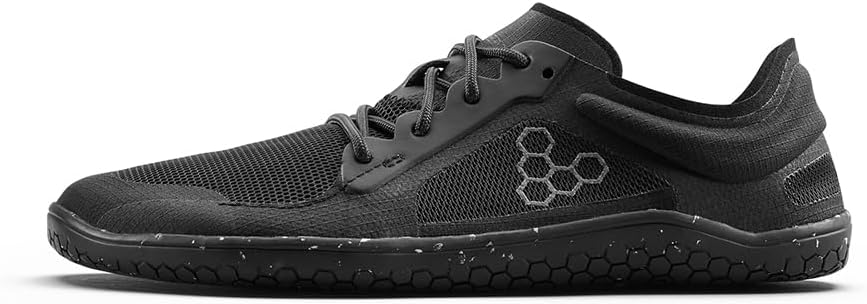
Vivobarefoot Primus Lite IV
The gold standard for everyday barefoot shoes. The Primus Lite IV delivers exceptional ground feel with a 6mm sole, wide toe box, and featherlight construction. Perfect for walking, light gym work, and daily wear.
✓ Pros
- • Ultra-thin sole for maximum ground feel
- • Extremely lightweight
- • Recycled materials
- • Versatile everyday shoe
✗ Cons
- • Premium price point
- • Durability concerns on rough surfaces
- • Takes adjustment if new to barefoot
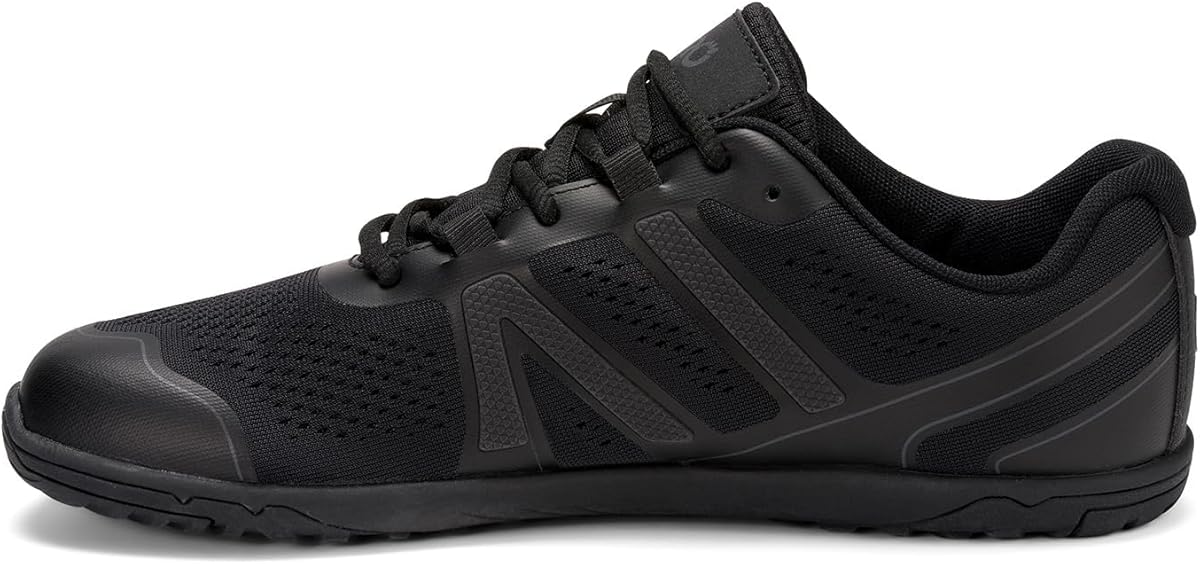
Xero Shoes HFS II
Xero's most popular shoe combines a thin, flexible sole with impressive durability. The HFS II works equally well for short runs and everyday wear, making it the best value in barefoot shoes.
✓ Pros
- • Excellent value for money
- • Good ground feel
- • Works for running and daily wear
- • 5,000-mile sole warranty
✗ Cons
- • Not as flexible as Vivobarefoot
- • Styling is polarizing
- • Can run narrow for very wide feet
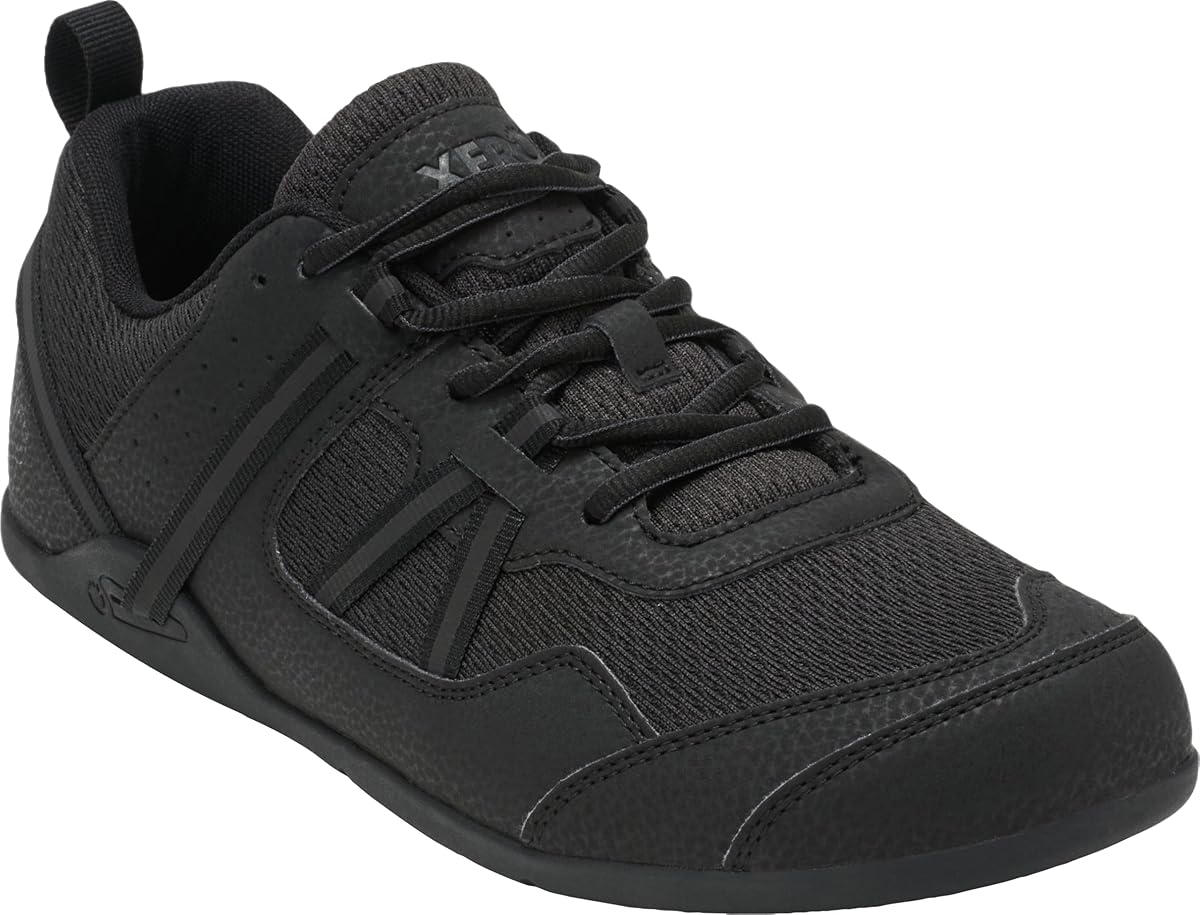
Lems Primal 2
Lems Primal 2 offers one of the widest toe boxes available with a natural foot shape and clean aesthetic. Slightly more cushioned than pure minimalist shoes, making it a great transitional option.
✓ Pros
- • Widest toe box in its class
- • Clean casual styling
- • Comfortable straight out of box
- • Good for wider feet
✗ Cons
- • Less ground feel than thinner options
- • Limited color options
- • Not ideal for running
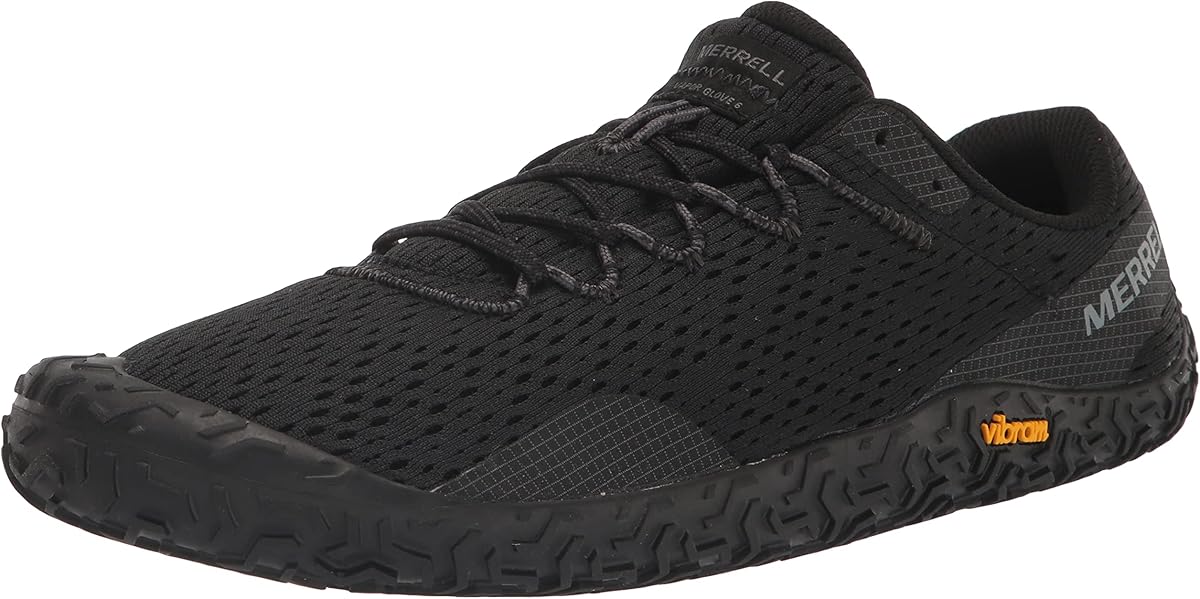
Merrell Vapor Glove 6
The Vapor Glove 6 is Merrell's flagship minimalist shoe — a barely-there running shoe with a Vibram sole. Ultra-thin and ultra-light, it's the closest you'll get to barefoot with a shoe on.
✓ Pros
- • Maximum ground feel
- • Incredibly lightweight
- • Vibram outsole for grip
- • Available at most retailers
✗ Cons
- • Toe box narrower than true barefoot brands
- • Durability issues with heavy use
- • Thin upper offers little protection
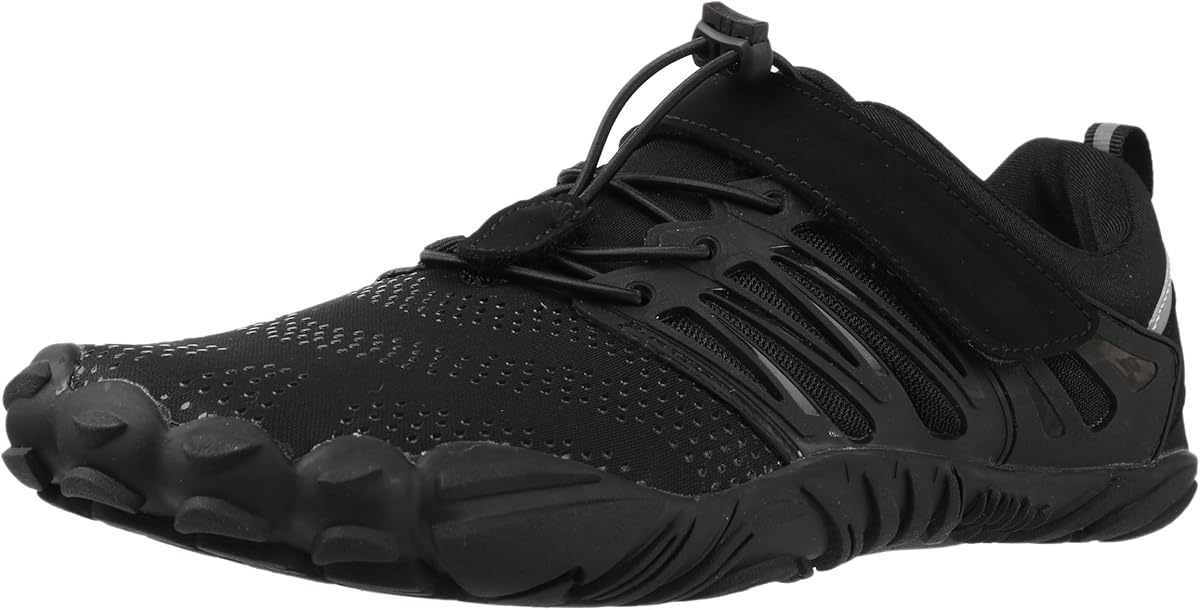
WHITIN Minimalist Trail Runner
At under $50, WHITIN's trail runner is the most affordable way to try barefoot shoes. Wide toe box, zero drop, and reasonable quality make it a risk-free entry point into minimalist footwear.
✓ Pros
- • Incredible value
- • Wide toe box
- • Good for trying barefoot shoes
- • Available on Amazon
✗ Cons
- • Less durable than premium brands
- • Basic materials
- • Sole grip is mediocre
How we test barefoot shoes
We evaluate every shoe on five criteria:
- Ground Feel (25%): How well can you sense the terrain beneath you? We test on pavement, gravel, grass, and trail.
- Toe Box (25%): Is there enough room for natural toe splay? We measure width at the forefoot and compare to actual foot dimensions.
- Flexibility (20%): Can the shoe twist and bend in all directions? A truly barefoot shoe should fold in half without resistance.
- Build Quality (15%): Materials, stitching, sole adhesion, and overall durability after extended wear.
- Value (15%): Price relative to performance. A $45 shoe that delivers 80% of a $180 shoe's experience scores well here.
What makes a shoe "barefoot"?
A true barefoot shoe has four defining characteristics:
- Zero Drop: No height difference between heel and toe. Your foot sits flat, promoting natural posture.
- Wide Toe Box: Shaped like an actual foot, not a fashion shoe. Your toes can spread and grip naturally.
- Thin, Flexible Sole: Usually under 10mm. Lets you feel the ground and allows natural foot movement.
- No Arch Support: Your foot muscles do the supporting. This strengthens them over time rather than letting them atrophy.
Note: Some shoes in our list (like Altra) aren't "barefoot" by strict definition — they're zero-drop with wide toe boxes but more cushion. We include them because they share the foot-first philosophy and serve as excellent transition shoes.
Buying guide: how to choose
New to barefoot? Start here
If you're transitioning from conventional shoes, don't jump straight to the thinnest sole. Your feet need time to strengthen. Start with something like the Lems Primal 2 (9mm stack) or Xero HFS II, then graduate to thinner options like the Primus Lite after 2-3 months.
Consider your primary use
- Everyday / walking: Primus Lite IV, HFS II, or Lems Primal 2
- Running: See our barefoot running shoes guide
- Hiking: See our barefoot hiking shoes guide
- Office / dress: See our barefoot dress shoes guide
Sizing tips
Barefoot shoes often fit differently than conventional shoes. Most brands recommend going up a half size. Always measure your feet in the evening (they swell during the day) and check each brand's specific size chart. When in doubt, size up — your toes need room to spread.
Explore by category
Frequently asked questions
Are barefoot shoes good for you?
Research suggests barefoot shoes can strengthen foot muscles, improve balance, and promote more natural gait patterns. A 2019 study in Scientific Reports found that habitually barefoot populations had stronger, wider feet. However, transitioning too quickly can cause injury — take it slow.
How long does it take to transition to barefoot shoes?
Most people need 4-8 weeks of gradual transition. Start wearing barefoot shoes for 1-2 hours per day and increase slowly. Listen to your body — calf soreness and foot fatigue are normal initially, but sharp pain is not.
Can you run in barefoot shoes?
Yes, but transition slowly. Start with short distances on soft surfaces and gradually build up. Many runners find that barefoot shoes naturally improve their form by encouraging a forefoot or midfoot strike. See our barefoot running shoes guide for specific recommendations.
What's the difference between barefoot and minimalist shoes?
"Barefoot shoes" typically have the thinnest soles (under 10mm) and maximum flexibility. "Minimalist shoes" is a broader term that includes shoes with slightly more cushion but still featuring zero drop and wide toe boxes. All barefoot shoes are minimalist, but not all minimalist shoes are barefoot.
Are barefoot shoes good for flat feet?
Many podiatrists now recommend barefoot shoes for flat feet, as they allow the foot's natural arch to strengthen. Conventional arch support can actually weaken foot muscles over time. That said, transition gradually and consult a healthcare professional if you have specific conditions.