Best Barefoot Hiking Shoes 2026: Trail-Tested Picks
We hiked 200+ miles to find the best barefoot hiking shoes. From day hikes to multi-day treks, these are the shoes that earned our trust on the trail.
Hiking in barefoot shoes changes everything. You feel the trail, your feet grip naturally, and your balance improves dramatically. But not every barefoot shoe can handle rocky trails, steep descents, and long miles. We hiked over 200 miles to find the ones that can.
🏆 Quick Verdict
- Best Overall Boot: Vivobarefoot Tracker Forest ESC II — bomb-proof for serious trails
- Best Trail Shoe: Vivobarefoot Primus Trail III FG — maximum ground feel on trail
- Best Budget: Xero Scrambler Mid — 60% of the Tracker at 60% of the price
- Best Hiking Sandal: Bedrock Cairn 3D Pro II — incredible grip, ultimate freedom
Quick comparison
| Shoe | Price | Rating | Best For | |
|---|---|---|---|---|
| Vivobarefoot Primus Trail III FG | $175 | 4.6/5 | Trail running | Check Price → |
| Xero Shoes Mesa Trail II | $120 | 4.3/5 | Trail value pick | Check Price → |
| Vivobarefoot Tracker Forest ESC II | $240 | 4.6/5 | Serious hiking | Check Price → |
| Merrell Trail Glove 7 | $110 | 4.4/5 | Day hiking | Check Price → |
| Xero Shoes Scrambler Mid | $150 | 4.3/5 | Budget hiking boot | Check Price → |
| Bedrock Sandals Cairn 3D Pro II | $135 | 4.5/5 | Hiking sandal | Check Price → |
| Altra Lone Peak 8 | $145 | 4.5/5 | Wide-foot trail | Check Price → |
| Topo Athletic Ultraventure 3 | $140 | 4.3/5 | Transition shoe | Check Price → |
Best barefoot hiking shoes, reviewed
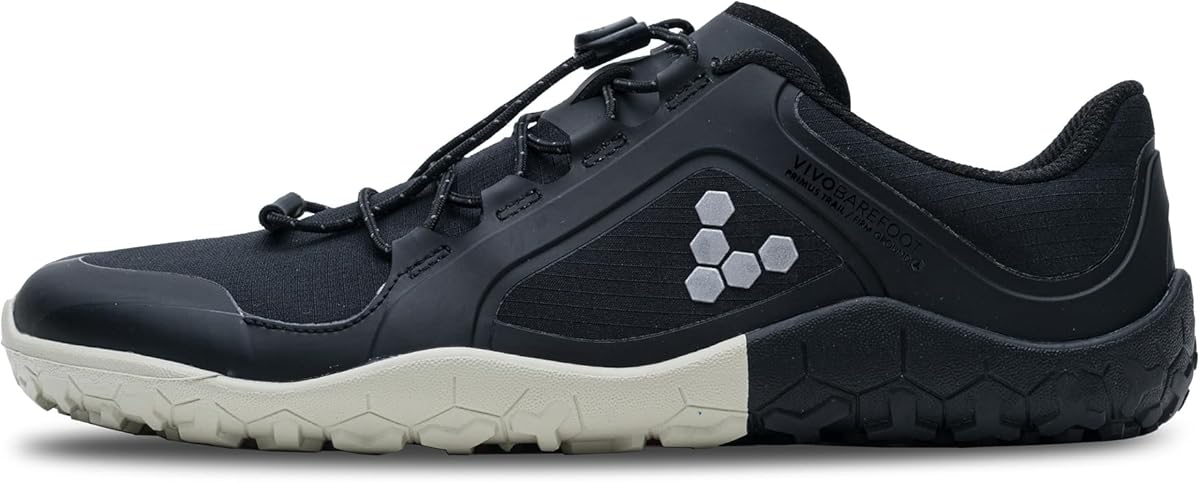
Vivobarefoot Primus Trail III FG
The Primus Trail III FG is Vivobarefoot's flagship trail runner with aggressive lugs, a firm ground (FG) outsole, and excellent drainage. Perfect for runners who want ground connection on technical terrain.
✓ Pros
- • Excellent trail grip
- • Protective yet flexible
- • Wide toe box for stability
- • Drainage ports for water crossings
✗ Cons
- • Expensive
- • Lugs wear down on pavement
- • Takes time to break in
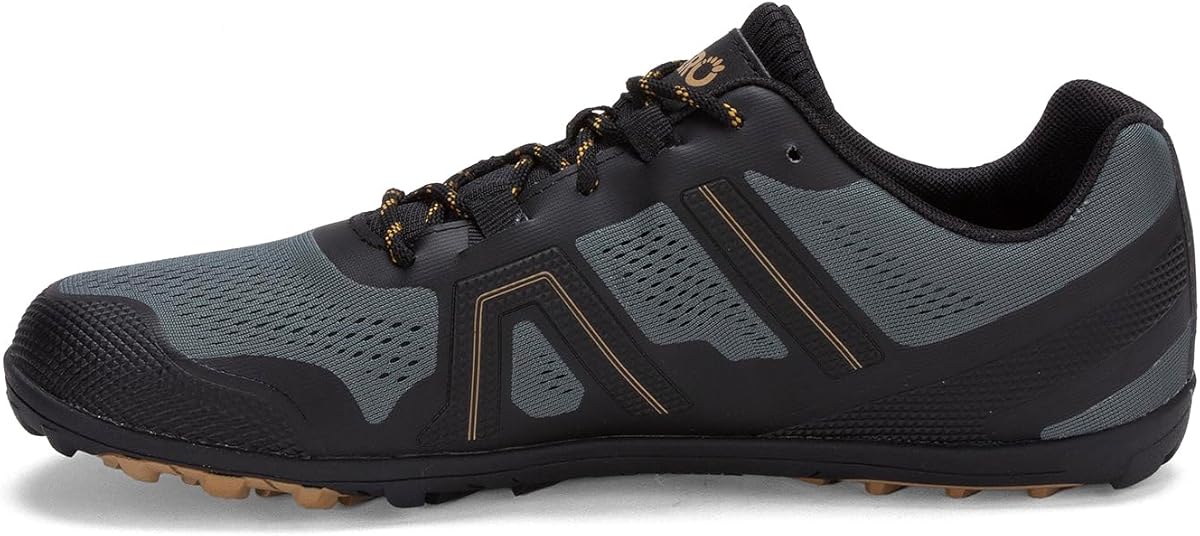
Xero Shoes Mesa Trail II
The Mesa Trail II is Xero's trail running workhorse with dual-direction lugs and a protective rock plate. Offers more protection than most barefoot trail shoes while maintaining good ground feel.
✓ Pros
- • Rugged TrailFoam sole
- • Great grip on varied terrain
- • More protection than minimal options
- • 5,000-mile warranty
✗ Cons
- • Slightly stiff initially
- • Heavier than pure minimalist
- • Lug pattern collects mud
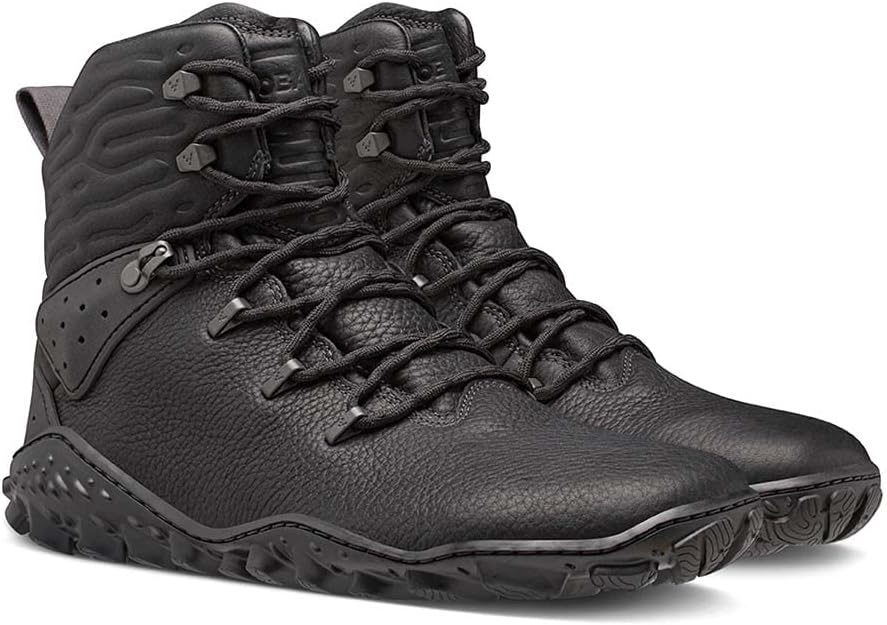
Vivobarefoot Tracker Forest ESC II
The Tracker Forest ESC II is Vivobarefoot's premium hiking boot — full leather, thermal insulation, and aggressive grip. The go-to choice for barefoot hikers tackling serious terrain in any weather.
✓ Pros
- • Excellent ankle support
- • Waterproof leather upper
- • Great trail grip
- • Premium build quality
✗ Cons
- • Very expensive
- • Heavy for a barefoot boot
- • Long break-in period
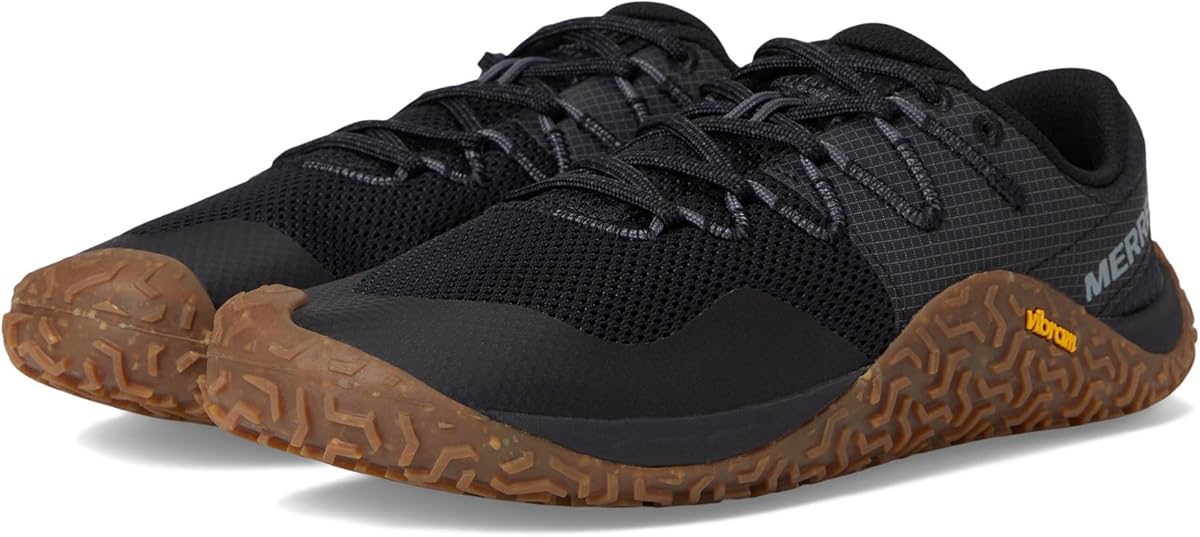
Merrell Trail Glove 7
The Trail Glove 7 is Merrell's flagship minimalist trail shoe. A Vibram outsole, zero-drop platform, and vegan-friendly construction make it a solid choice for day hikes and light trail running.
✓ Pros
- • Vibram TC5+ outsole
- • Good all-around trail shoe
- • Widely available
- • Comfortable quickly
✗ Cons
- • Narrower than dedicated barefoot brands
- • Moderate ground feel
- • Not fully waterproof
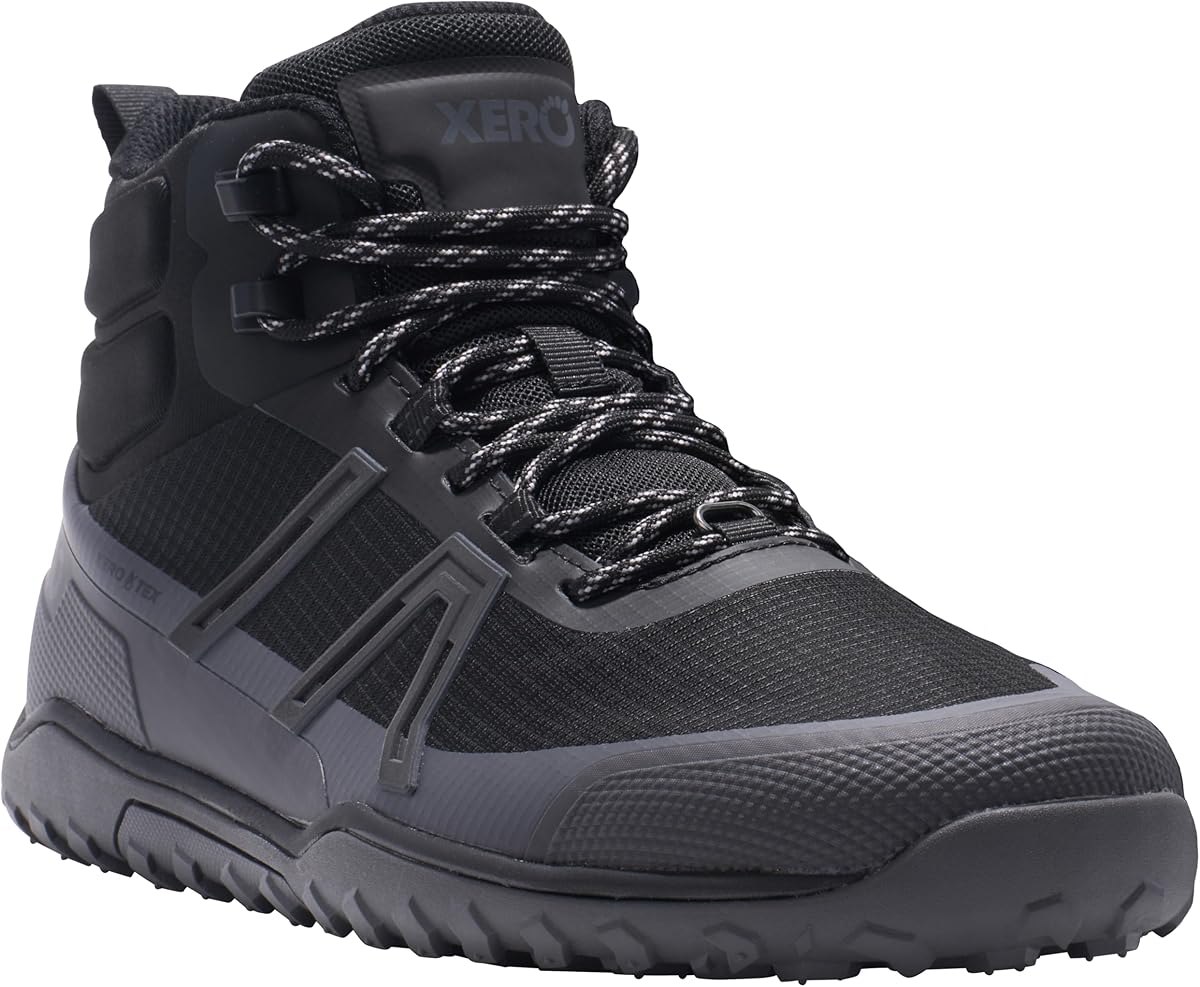
Xero Shoes Scrambler Mid
The Scrambler Mid gives you hiking boot functionality in a barefoot package — mid-cut support, lugged sole, and water resistance at a reasonable price. Great for those transitioning from traditional boots.
✓ Pros
- • Mid-cut ankle support
- • Lugged outsole
- • Affordable for a hiking boot
- • Water-resistant
✗ Cons
- • Not fully waterproof
- • Less ground feel than low-cuts
- • Can feel stiff at first
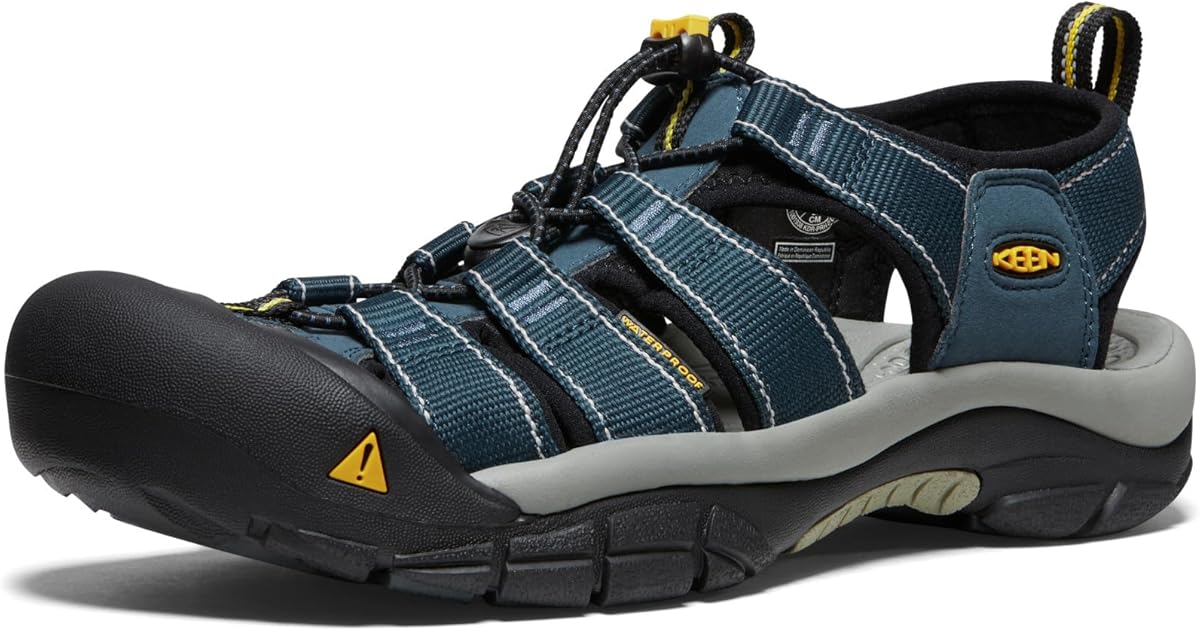
Bedrock Sandals Cairn 3D Pro II
The Cairn 3D Pro II is the ultimate hiking sandal — Vibram Megagrip sole, 3D-contoured footbed, and a secure strap system. Beloved by thru-hikers and ultrarunners for warm-weather adventures.
✓ Pros
- • Incredible traction (Vibram Megagrip)
- • 3D molded footbed
- • Perfect for hot weather hiking
- • Durable construction
✗ Cons
- • Sandal — no toe/foot protection
- • Takes practice on technical terrain
- • Not for cold weather
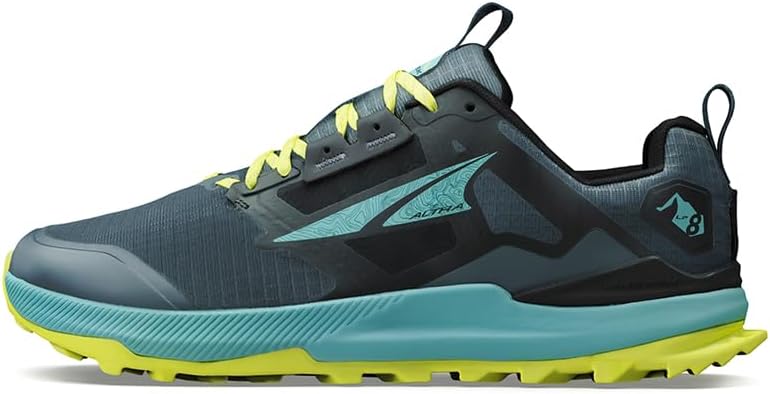
Altra Lone Peak 8
The Lone Peak 8 is Altra's legendary trail shoe, famous for its generous toe box and zero-drop platform. More cushioned than barefoot purists prefer, but ideal for wide-footed hikers and ultrarunners.
✓ Pros
- • Iconic wide toe box
- • MaxTrac outsole
- • Excellent for long distances
- • Durable construction
✗ Cons
- • Very cushioned — not minimalist
- • Can feel bulky
- • Toe box may be too wide for narrow feet
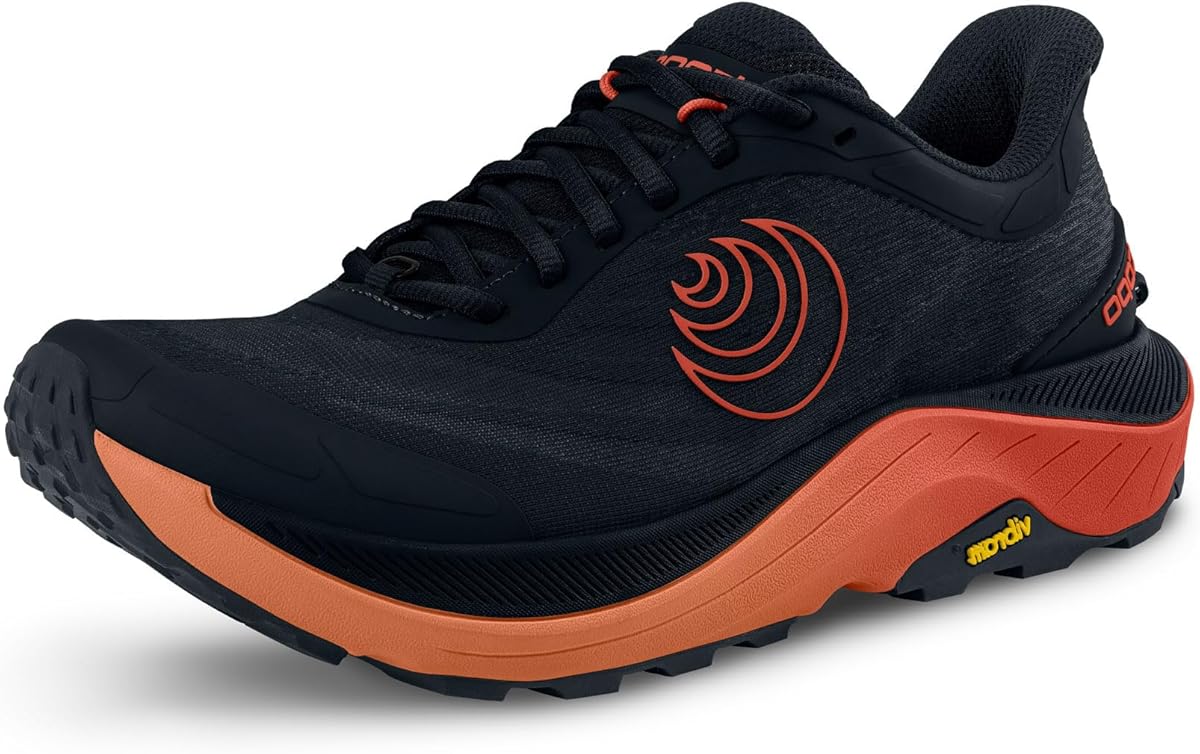
Topo Athletic Ultraventure 3
Topo Athletic's Ultraventure 3 offers a wide, foot-shaped toe box with more traditional cushioning. A 5mm drop makes it an easier transition from conventional shoes while still prioritizing toe splay.
✓ Pros
- • Roomy toe box
- • Vibram Megagrip outsole
- • Comfortable on long hikes
- • Good arch support
✗ Cons
- • 5mm drop — not zero drop
- • Heavy
- • Not minimalist
How to choose barefoot hiking shoes
Boot vs. low-cut vs. sandal
Boots (like the Tracker or Scrambler Mid) give you ankle support, weather protection, and confidence on rough terrain. They're heavier but more protective.
Low-cut trail shoes (like the Primus Trail or Trail Glove) are lighter and more agile. Better ground feel, but less protection. Ideal for day hikes and trail running.
Sandals (like the Bedrock Cairn) offer ultimate ventilation and freedom. Surprisingly capable on technical terrain once you build confidence. Best for warm weather.
Sole thickness & protection
Thinner soles (6-8mm) give better ground feel but less protection from sharp rocks. Thicker soles (10-12mm) with rock plates are more forgiving on rough terrain. If you're hiking long distances on rocky trails, lean toward more protection.
Traction
Look for deep, multi-directional lugs. Vibram outsoles (found on Merrell and Bedrock) are the gold standard. Vivobarefoot's proprietary soles perform well on most terrain. Avoid shallow-lugged shoes on wet rock or steep descents.
Transitioning to barefoot hiking
Don't wear barefoot shoes on a 20-mile hike your first time out. Here's a practical transition plan:
- Weeks 1-2: Wear barefoot shoes for short walks on flat, easy terrain (1-3 miles)
- Weeks 3-4: Graduate to easy trails with mild elevation (3-5 miles)
- Weeks 5-8: Take on moderate trails with some rocks and roots (5-8 miles)
- Weeks 8+: You're ready for longer, more technical hikes
Pay attention to your calves and foot arches — they'll be working harder than usual. Soreness is normal; sharp pain is not. Carry a backup pair for your first few longer hikes.
FAQ
Can you really hike in barefoot shoes?
Absolutely. Thru-hikers have completed the AT, PCT, and CDT in barefoot shoes and sandals. Your feet are more capable than you think — they just need time to adapt. Start with easy trails and work up.
What about sharp rocks?
You'll feel them more, but your foot learns to adapt. Stepping techniques change naturally — you place your feet more deliberately. For very rocky terrain, choose a shoe with a rock plate (like the Xero Mesa Trail) or thicker sole.
Are barefoot hiking shoes waterproof?
Some are (Vivobarefoot Tracker has waterproof leather), but most aren't. The barefoot philosophy often favors quick-drying materials over waterproofing — wet waterproof boots are miserable, while wet barefoot shoes dry in an hour.
Related guides
- Best Barefoot Shoes 2026 — our complete roundup
- Barefoot Boots — all-season boot reviews
- Barefoot Running Shoes — for trail runners