Best Barefoot Running Shoes 2026: Road & Trail Tested
We ran 500+ miles to find the best barefoot running shoes for road and trail. Expert picks for natural running with real performance data.
Barefoot running shoes strip away the cushion and let your feet do what they evolved to do. The result? Stronger feet, better form, and (for many) fewer injuries. We ran over 500 miles in these shoes to find the ones that truly deliver.
🏆 Quick Verdict
- Best Road: Xero HFS II — versatile, durable, great value
- Best Trail: Vivobarefoot Primus Trail III FG — unmatched trail grip
- Most Minimal: Merrell Vapor Glove 6 — closest to barefoot
- Best for Transitioning: Altra Escalante 4 — zero drop with cushion
Quick comparison
| Shoe | Price | Rating | Best For | |
|---|---|---|---|---|
| Xero Shoes HFS II | $110 | 4.5/5 | Best value | Check Price → |
| Merrell Vapor Glove 6 | $100 | 4.5/5 | Ground feel | Check Price → |
| Vivobarefoot Primus Trail III FG | $175 | 4.6/5 | Trail running | Check Price → |
| Altra Escalante 4 | $140 | 4.4/5 | Transitioning runners | Check Price → |
| Xero Shoes Mesa Trail II | $120 | 4.3/5 | Trail value pick | Check Price → |
| Merrell Trail Glove 7 | $110 | 4.4/5 | Day hiking | Check Price → |
| Altra Torin 7 | $150 | 4.4/5 | Cushioned road | Check Price → |
Best barefoot running shoes, reviewed
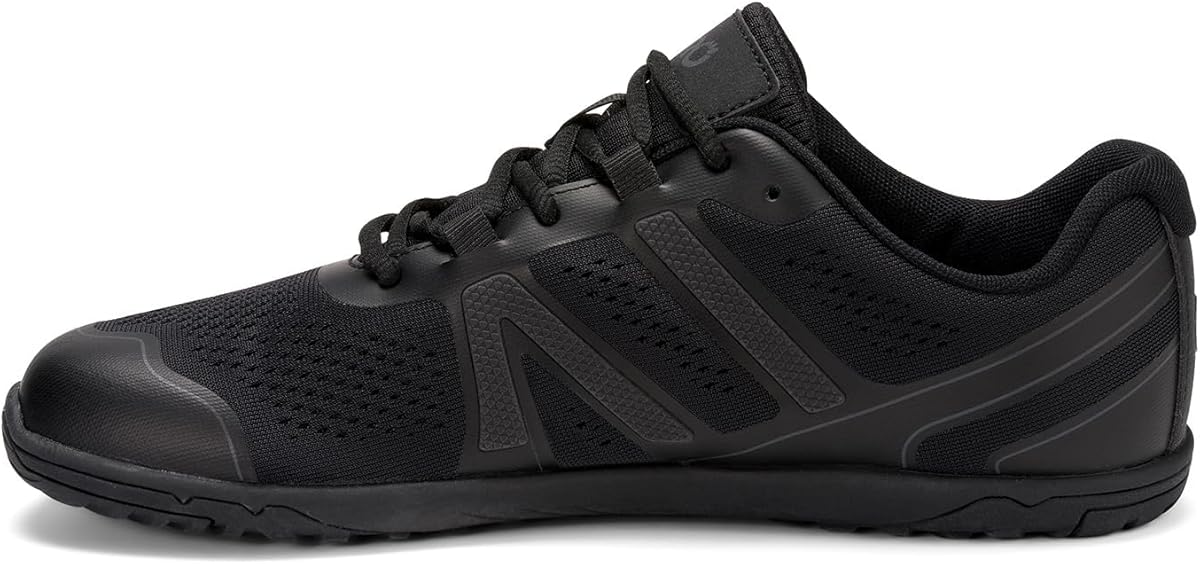
Xero Shoes HFS II
Xero's most popular shoe combines a thin, flexible sole with impressive durability. The HFS II works equally well for short runs and everyday wear, making it the best value in barefoot shoes.
✓ Pros
- • Excellent value for money
- • Good ground feel
- • Works for running and daily wear
- • 5,000-mile sole warranty
✗ Cons
- • Not as flexible as Vivobarefoot
- • Styling is polarizing
- • Can run narrow for very wide feet
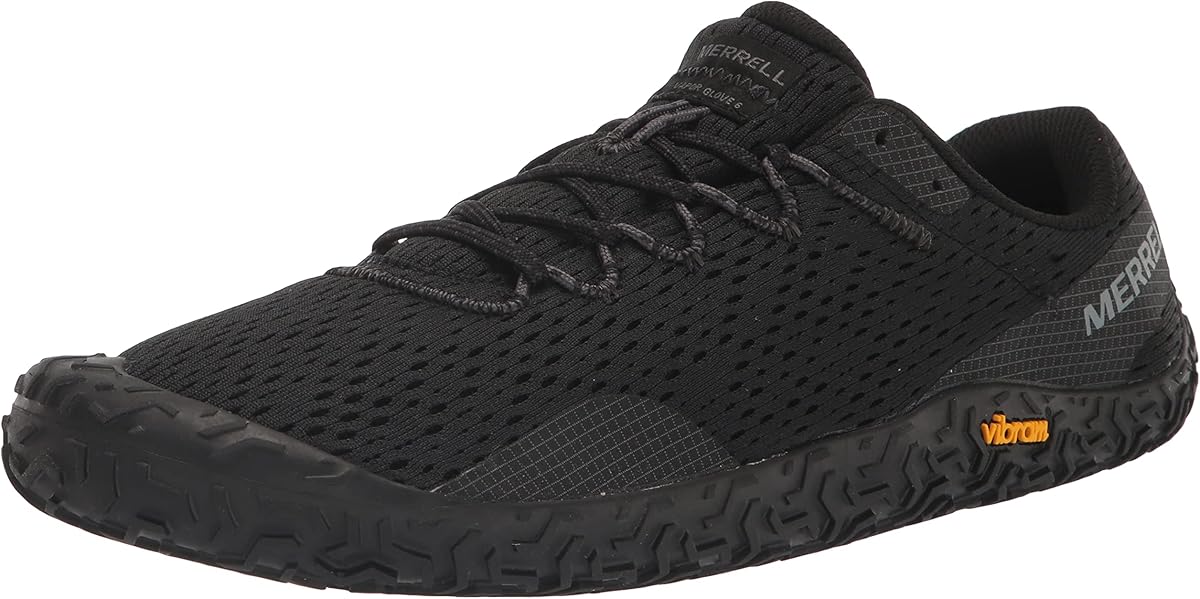
Merrell Vapor Glove 6
The Vapor Glove 6 is Merrell's flagship minimalist shoe — a barely-there running shoe with a Vibram sole. Ultra-thin and ultra-light, it's the closest you'll get to barefoot with a shoe on.
✓ Pros
- • Maximum ground feel
- • Incredibly lightweight
- • Vibram outsole for grip
- • Available at most retailers
✗ Cons
- • Toe box narrower than true barefoot brands
- • Durability issues with heavy use
- • Thin upper offers little protection
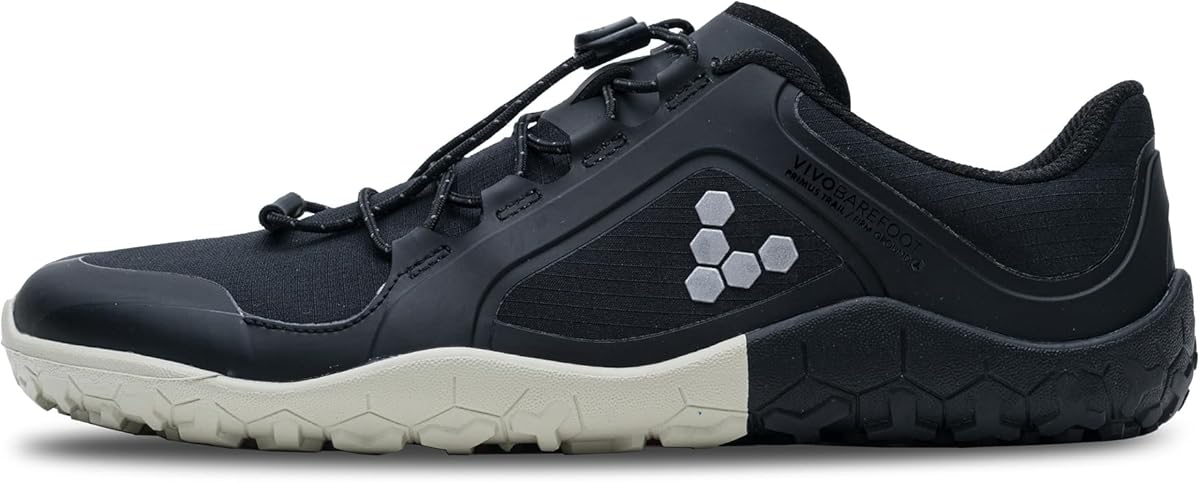
Vivobarefoot Primus Trail III FG
The Primus Trail III FG is Vivobarefoot's flagship trail runner with aggressive lugs, a firm ground (FG) outsole, and excellent drainage. Perfect for runners who want ground connection on technical terrain.
✓ Pros
- • Excellent trail grip
- • Protective yet flexible
- • Wide toe box for stability
- • Drainage ports for water crossings
✗ Cons
- • Expensive
- • Lugs wear down on pavement
- • Takes time to break in
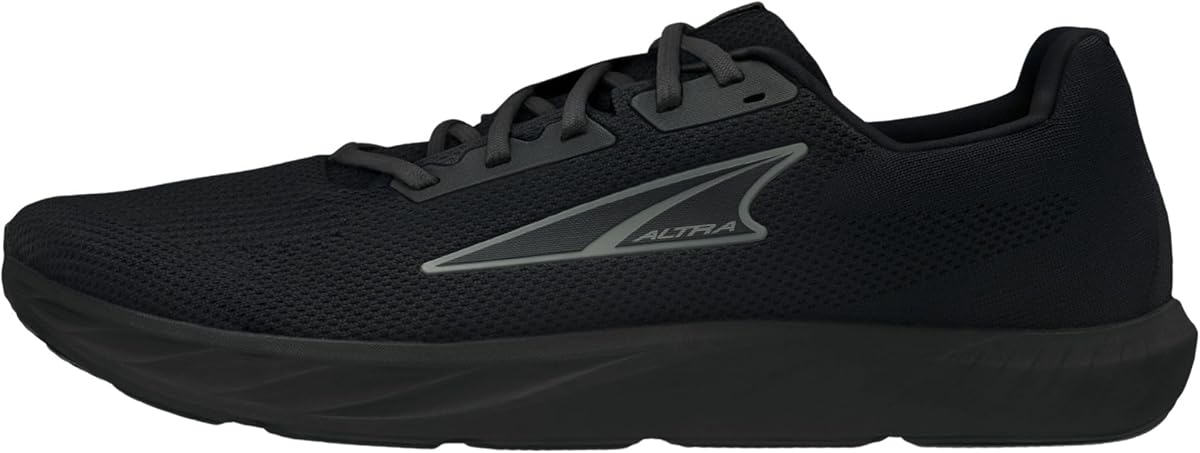
Altra Escalante 4
The Escalante 4 bridges the gap between traditional and barefoot running. Zero drop alignment with Altra's signature foot-shaped toe box, but with enough cushion for marathon distances.
✓ Pros
- • Zero drop with more cushion
- • Great for transitioning runners
- • Comfortable for long distances
- • Foot-shaped toe box
✗ Cons
- • Not truly minimalist (thick stack)
- • Heavier than barefoot shoes
- • Cushion reduces ground feel
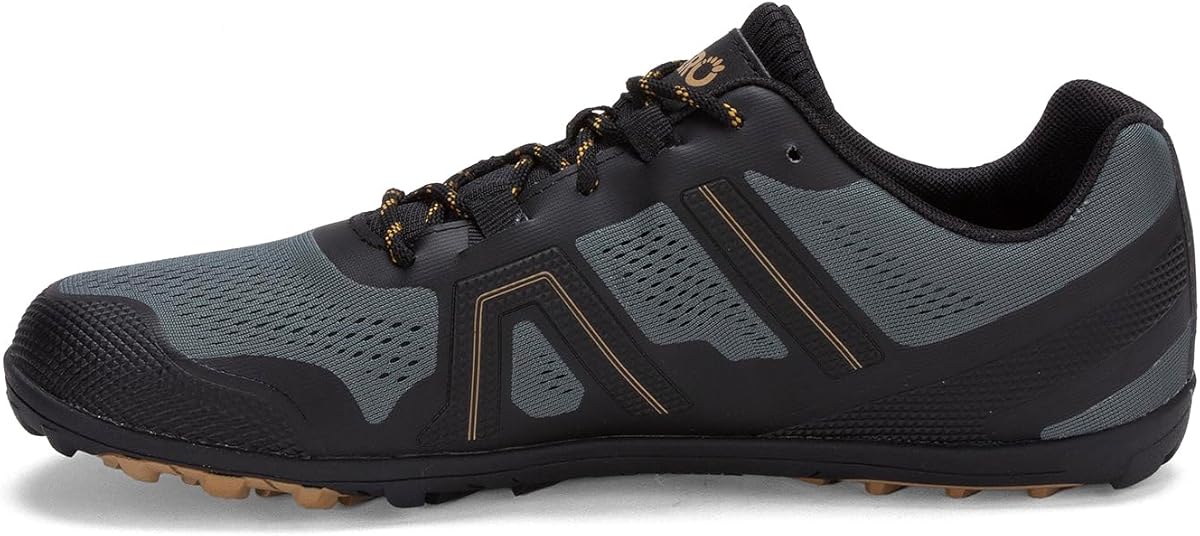
Xero Shoes Mesa Trail II
The Mesa Trail II is Xero's trail running workhorse with dual-direction lugs and a protective rock plate. Offers more protection than most barefoot trail shoes while maintaining good ground feel.
✓ Pros
- • Rugged TrailFoam sole
- • Great grip on varied terrain
- • More protection than minimal options
- • 5,000-mile warranty
✗ Cons
- • Slightly stiff initially
- • Heavier than pure minimalist
- • Lug pattern collects mud
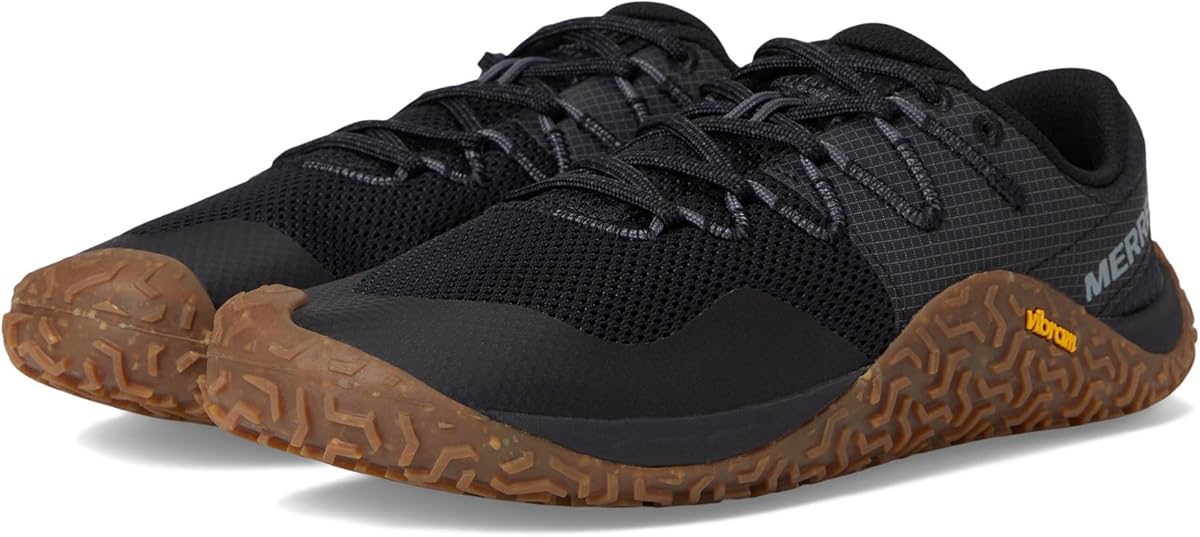
Merrell Trail Glove 7
The Trail Glove 7 is Merrell's flagship minimalist trail shoe. A Vibram outsole, zero-drop platform, and vegan-friendly construction make it a solid choice for day hikes and light trail running.
✓ Pros
- • Vibram TC5+ outsole
- • Good all-around trail shoe
- • Widely available
- • Comfortable quickly
✗ Cons
- • Narrower than dedicated barefoot brands
- • Moderate ground feel
- • Not fully waterproof
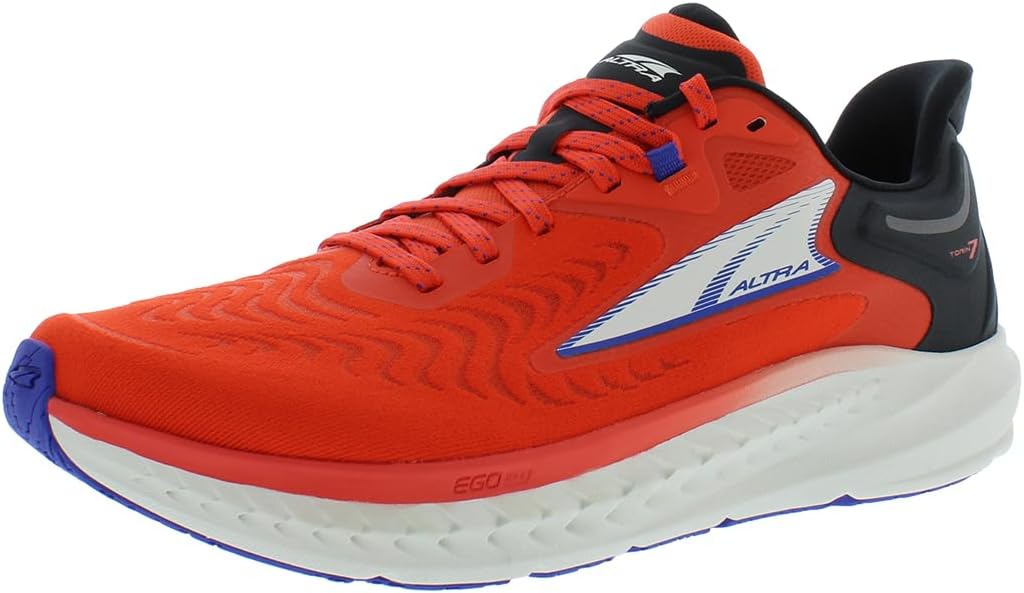
Altra Torin 7
The Torin 7 is Altra's flagship road running shoe — maximum cushion with zero drop. Ideal for runners who want natural foot alignment without sacrificing cushioning on long road runs.
✓ Pros
- • Plush zero-drop cushion
- • Ego Max foam is responsive
- • Wide toe box
- • Great for long road runs
✗ Cons
- • Not minimalist at all
- • Heavy by barefoot standards
- • Stack height blocks ground feel
Road vs. trail: which do you need?
Road barefoot running shoes have flat, smooth outsoles optimized for pavement. They're usually lighter and more flexible. Great picks: Xero HFS II, Merrell Vapor Glove 6, Altra Escalante 4.
Trail barefoot running shoes have lugged outsoles for grip on dirt, rock, and mud. Often slightly thicker for rock protection. Great picks: Vivobarefoot Primus Trail III, Xero Mesa Trail II, Merrell Trail Glove 7.
If you only buy one shoe, a trail shoe can handle roads but not vice versa. The Xero Mesa Trail II is particularly versatile.
Transition guide for runners
Transitioning to barefoot running is more demanding than barefoot walking. Your form needs to change fundamentally.
⚠️ The #1 Mistake
Running your normal distance in barefoot shoes on day one. This causes calf strains, Achilles tendinitis, and metatarsal stress fractures. Start at 10-20% of your normal distance and increase by no more than 10% per week.
8-week running transition
- Week 1-2: Walk only in barefoot shoes. Do foot/calf strengthening exercises.
- Week 3-4: Run/walk intervals — 1 min run, 2 min walk, for 15-20 minutes.
- Week 5-6: Run/walk intervals — 2 min run, 1 min walk, for 20-25 minutes.
- Week 7-8: Continuous easy runs of 15-20 minutes. Pay attention to form.
- Month 3+: Gradually increase distance. One long run per week.
Form changes to expect
- Foot strike: You'll naturally shift from heel striking to midfoot/forefoot landing
- Cadence: Expect shorter, quicker steps (aim for 170-180 steps/minute)
- Posture: More upright, slight forward lean from the ankles
- Landing: Feet land under your center of mass, not out in front
FAQ
Is barefoot running actually better?
Research is mixed but promising. A 2010 Nature study by Lieberman et al. showed barefoot runners generate smaller collision forces than shod heel-strikers. Many runners report fewer knee and hip injuries after transitioning, but the transition itself carries injury risk if done too quickly.
Can I run a marathon in barefoot shoes?
Yes — people do it regularly. But build up to it gradually over 6-12 months. For your first barefoot marathon, something with slight cushion like the Xero HFS or Altra Escalante is wise. Save the Vapor Gloves for shorter distances until your feet are ready.
My calves are killing me — is this normal?
Moderate calf soreness in the first few weeks is completely normal. You're using muscles that have been inactive for years. Stretch calves after every run, do eccentric calf drops, and don't increase mileage until soreness resolves. Sharp or persistent pain requires rest.