Best Minimalist Shoes 2026: Simple, Natural Footwear
Minimalist shoes strip away everything your feet don't need. Our guide covers the best minimalist shoes for walking, running, and everyday wear in 2026.
Minimalist shoes follow a simple philosophy: less shoe, stronger feet. By removing thick cushioning, rigid arch support, and elevated heels, minimalist footwear lets your feet work the way nature intended.
What are minimalist shoes?
Minimalist shoes sit on a spectrum between conventional footwear and being completely barefoot. They share some or all of these characteristics:
- Low stack height: Thin soles, typically 3-12mm
- Zero or low drop: Minimal or no heel elevation
- Wide toe box: Room for natural toe spread
- Flexible construction: The shoe bends and twists easily
- Lightweight: Less material means less weight
- No motion control: No rigid posts, shanks, or stability features
The term is broader than "barefoot shoes" — it includes shoes that have some cushioning but still prioritize natural foot movement over artificial support.
Minimalist vs. barefoot vs. zero drop
| Feature | Minimalist | Barefoot | Zero Drop |
|---|---|---|---|
| Stack Height | 3-15mm | 3-10mm | Any (0-30mm+) |
| Heel Drop | 0-6mm | 0mm | 0mm |
| Toe Box | Varies | Wide | Varies |
| Flexibility | High | Maximum | Varies |
| Example | Feelgrounds | Vivobarefoot | Altra |
Best minimalist shoes 2026
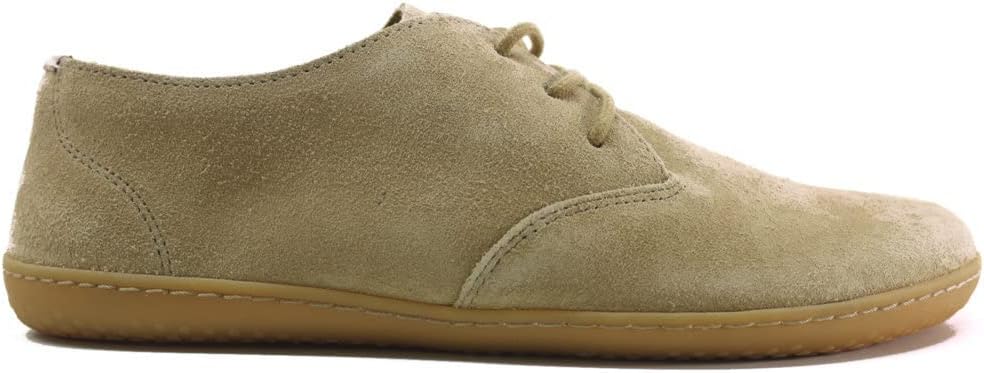
Vivobarefoot Ra III
The Ra III is Vivobarefoot's premium leather sneaker — minimal sole, wide toe box, and clean styling that works anywhere from casual Fridays to weekend walks. A true everyday minimalist shoe.
✓ Pros
- • Premium leather sneaker look
- • Thin sole for ground feel
- • Versatile styling
- • Comfortable from day one
✗ Cons
- • Pricey
- • White versions stain easily
- • Leather needs care
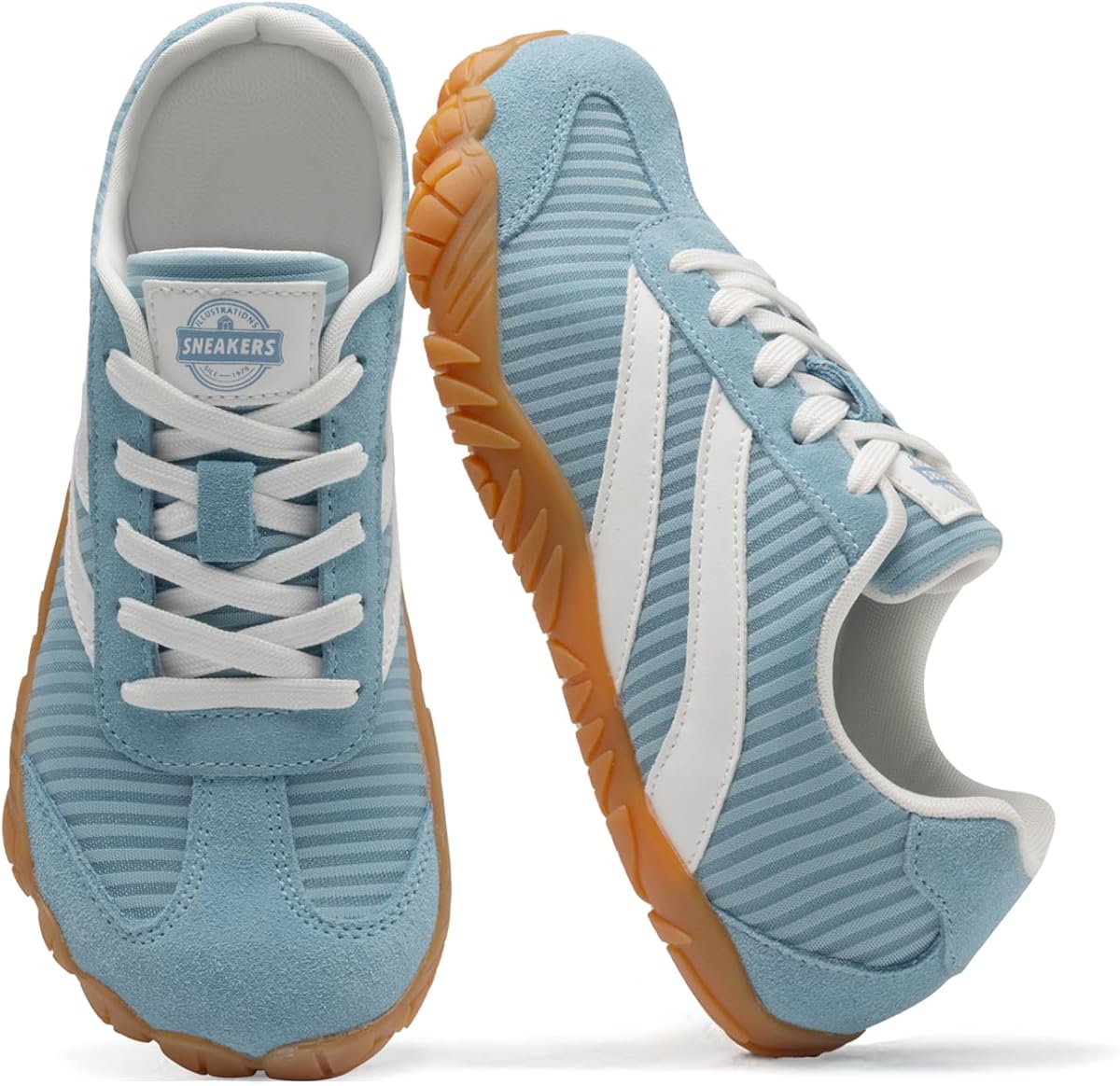
Feelgrounds Original
Feelgrounds' Original is a modern knit barefoot sneaker that doesn't look like a barefoot shoe. Machine washable, comfortable, and stylish — it's converting people who never thought they'd try barefoot.
✓ Pros
- • Knit upper is incredibly comfortable
- • Modern sneaker aesthetic
- • Machine washable
- • Good price point
✗ Cons
- • Knit isn't waterproof
- • Less durable than leather
- • Limited support for long walks on rough terrain
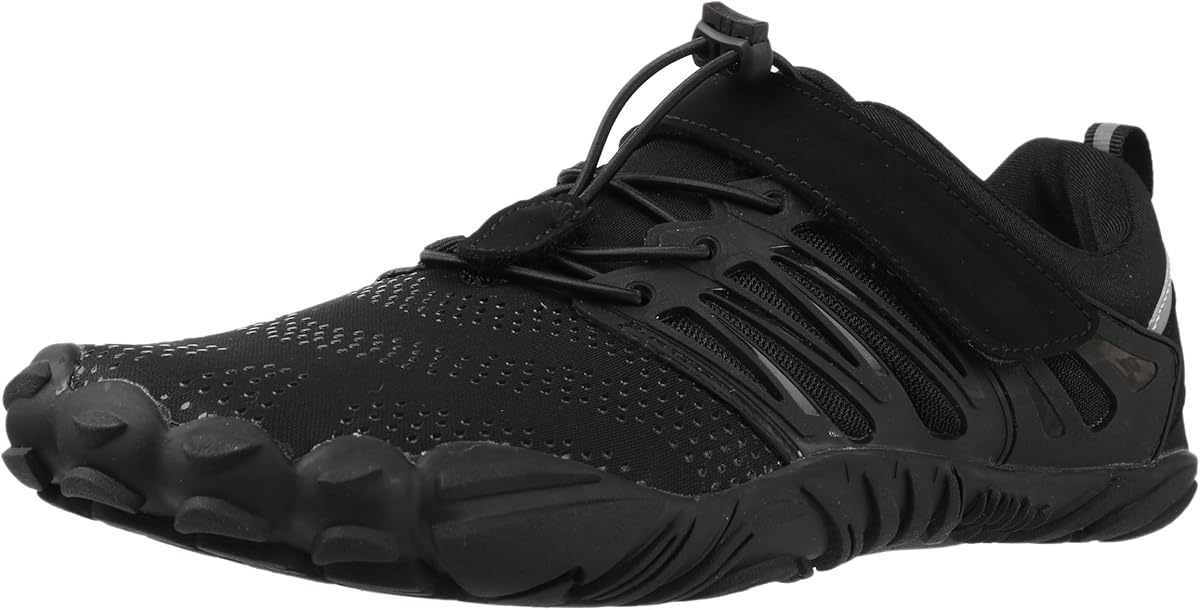
WHITIN Minimalist Trail Runner
At under $50, WHITIN's trail runner is the most affordable way to try barefoot shoes. Wide toe box, zero drop, and reasonable quality make it a risk-free entry point into minimalist footwear.
✓ Pros
- • Incredible value
- • Wide toe box
- • Good for trying barefoot shoes
- • Available on Amazon
✗ Cons
- • Less durable than premium brands
- • Basic materials
- • Sole grip is mediocre
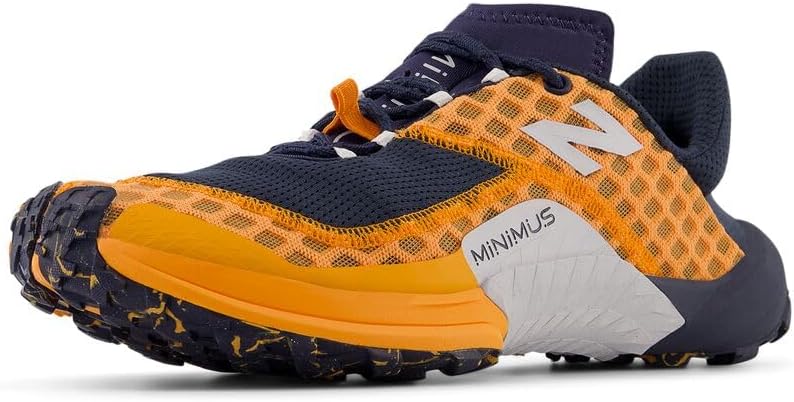
New Balance Minimus Trail v2
New Balance's Minimus looks like any other NB trainer — and that's the point. Zero drop with a Vibram sole, it's the stealth option for people who want barefoot benefits without the barefoot look.
✓ Pros
- • Mainstream brand recognition
- • Nobody will notice these are barefoot
- • Vibram outsole
- • Available everywhere
✗ Cons
- • Toe box narrower than dedicated barefoot brands
- • Less ground feel than true minimalist
- • NB sizing can vary
Transitioning to minimalist shoes
Minimalist shoes are generally easier to transition to than pure barefoot shoes, especially if they have moderate cushioning (8-12mm stack). Still, take it gradually:
- Start with 1-2 hours per day of casual walking
- Increase wear time by about an hour every few days
- Do foot strengthening exercises: toe curls, calf raises, single-leg balance
- Expect some calf and arch soreness initially — this is normal
- After 2-4 weeks of walking, you can start running if desired (see our running transition guide)
FAQ
Are minimalist shoes good for beginners?
Yes — they're often the best starting point. Models with moderate cushioning (like the Lems Primal 2 or Feelgrounds Original) offer a gentler transition than ultra-thin barefoot shoes while still promoting natural foot function.
Can minimalist shoes cause injury?
Only if you transition too fast. The most common issue is doing too much too soon — running long distances or standing all day before your feet have adapted. Gradual transition eliminates most risk.
What's the cheapest way to try minimalist shoes?
The WHITIN Minimalist Trail Runner at under $50 is the lowest-risk way to try. Available on Amazon with easy returns if they don't work for you.