Zero Drop Shoes: What They Are & Best Picks for 2026
Zero drop shoes align your feet naturally with no heel-to-toe elevation. Learn the science, benefits, and find the best zero drop shoes for running, hiking, and daily wear.
"Zero drop" means there's no height difference between the heel and forefoot of the shoe. Your foot sits completely flat — the way it does when you're barefoot. It's the single most important feature of barefoot and minimalist footwear.
What are zero drop shoes?
Most conventional shoes have a "drop" or "heel-to-toe differential" of 8-12mm. This means the heel sits 8-12mm higher than the forefoot. It's so universal that most people don't even realize it's there.
Zero drop shoes eliminate this elevation entirely. Your heel and forefoot are at the same height, just like standing barefoot on flat ground. This seemingly small change has significant effects on your posture, gait, and foot health.
📏 Understanding drop
- 0mm (Zero Drop): Barefoot shoes, Altra, Vivobarefoot, Xero — flat platform
- 4-6mm (Low Drop): Some Nike Free, Topo Athletic — transitional
- 8-10mm (Standard Drop): Most running shoes — mild heel elevation
- 10-12mm (High Drop): Traditional heeled shoes, Hoka — significant heel lift
Zero drop vs. barefoot vs. minimalist
These terms overlap but aren't identical:
- Zero Drop: Specifically about the heel-to-toe height difference being zero. An Altra Lone Peak is zero drop but has 25mm of cushion — it's not "barefoot."
- Barefoot: Zero drop PLUS thin sole (usually under 10mm), wide toe box, and maximum flexibility. The closest to being actually barefoot.
- Minimalist: A spectrum. Fewer features than conventional shoes — less cushion, less structure, less drop. May or may not be zero drop.
Bottom line: All barefoot shoes are zero drop, but not all zero drop shoes are barefoot. Zero drop is the starting point of the spectrum.
Benefits of zero drop shoes
Improved posture & alignment
An elevated heel tips your pelvis forward, increasing lumbar curve and cascading misalignment up through your spine. Zero drop shoes let your body stack naturally — ankles under knees under hips under shoulders.
Stronger calves & Achilles
Conventional shoes shorten your calf muscles and Achilles tendon over time. Zero drop shoes restore natural length, though the transition can cause temporary calf soreness as these muscles stretch and strengthen.
More natural gait
Heel elevation encourages heel striking. Zero drop promotes a more natural midfoot or forefoot strike, reducing impact forces transmitted to your knees and hips.
Better balance
A flat platform provides a more stable base. Combined with a wide toe box, zero drop shoes significantly improve proprioceptive balance.
Best zero drop shoes 2026
| Shoe | Price | Rating | Best For | |
|---|---|---|---|---|
| Altra Escalante 4 | $140 | 4.4/5 | Transitioning runners | Check Price → |
| Altra Lone Peak 8 | $145 | 4.5/5 | Wide-foot trail | Check Price → |
| Altra Torin 7 | $150 | 4.4/5 | Cushioned road | Check Price → |
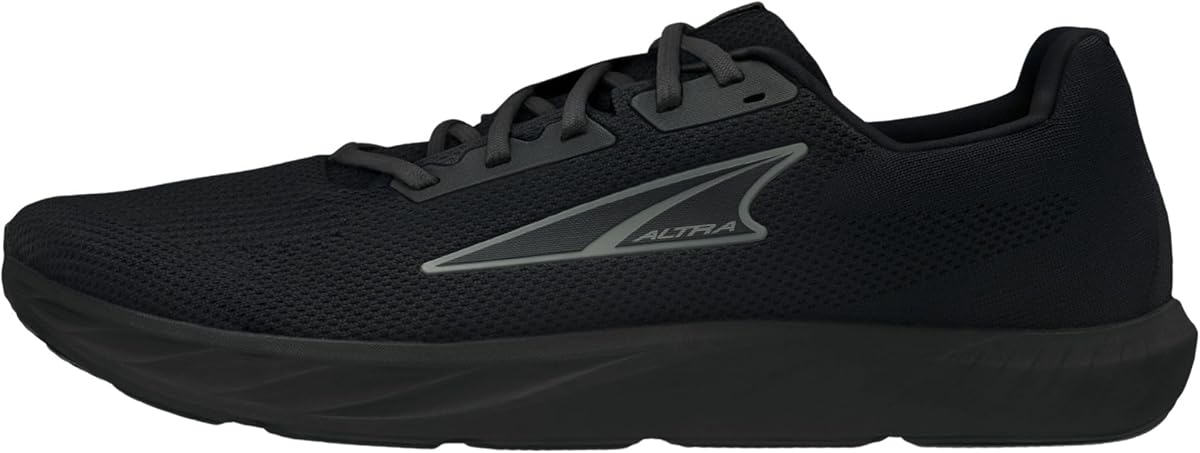
Altra Escalante 4
The Escalante 4 bridges the gap between traditional and barefoot running. Zero drop alignment with Altra's signature foot-shaped toe box, but with enough cushion for marathon distances.
✓ Pros
- • Zero drop with more cushion
- • Great for transitioning runners
- • Comfortable for long distances
- • Foot-shaped toe box
✗ Cons
- • Not truly minimalist (thick stack)
- • Heavier than barefoot shoes
- • Cushion reduces ground feel
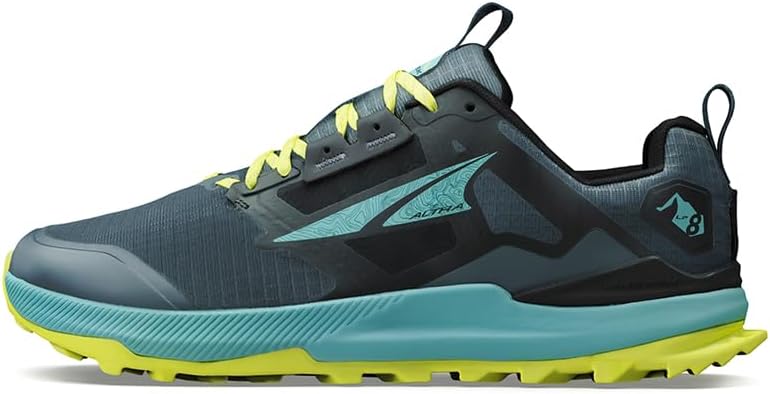
Altra Lone Peak 8
The Lone Peak 8 is Altra's legendary trail shoe, famous for its generous toe box and zero-drop platform. More cushioned than barefoot purists prefer, but ideal for wide-footed hikers and ultrarunners.
✓ Pros
- • Iconic wide toe box
- • MaxTrac outsole
- • Excellent for long distances
- • Durable construction
✗ Cons
- • Very cushioned — not minimalist
- • Can feel bulky
- • Toe box may be too wide for narrow feet
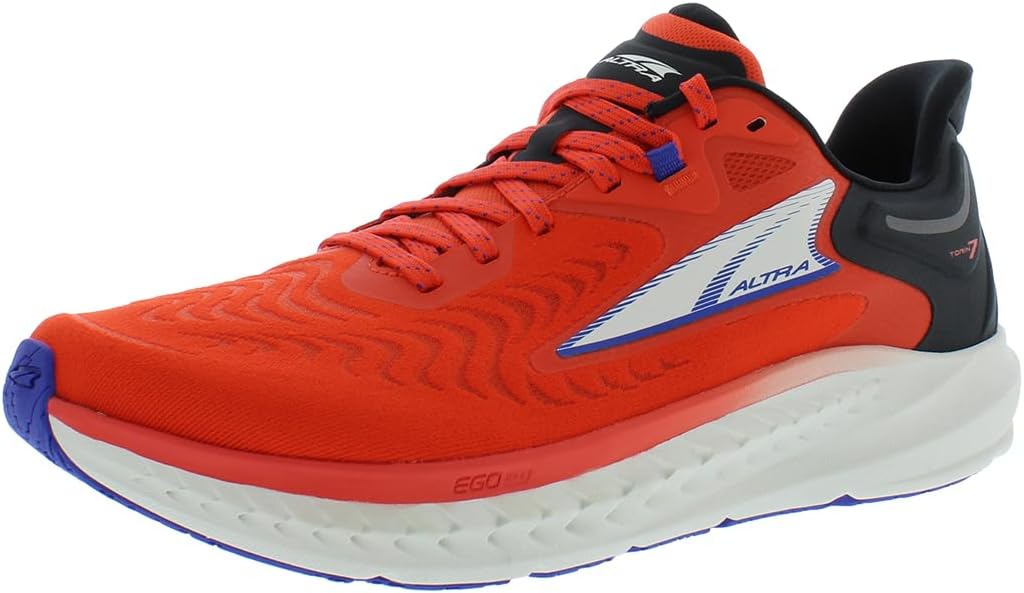
Altra Torin 7
The Torin 7 is Altra's flagship road running shoe — maximum cushion with zero drop. Ideal for runners who want natural foot alignment without sacrificing cushioning on long road runs.
✓ Pros
- • Plush zero-drop cushion
- • Ego Max foam is responsive
- • Wide toe box
- • Great for long road runs
✗ Cons
- • Not minimalist at all
- • Heavy by barefoot standards
- • Stack height blocks ground feel
Transitioning to zero drop
This is the most important section in this guide. Going from 10mm+ drop to zero drop overnight is the #1 mistake people make, and it leads to Achilles tendinitis, calf strains, and metatarsal stress.
The safe transition plan
- Week 1-2: Wear zero drop shoes for 1-2 hours daily. Walk only, no running.
- Week 3-4: Increase to half-day wear. Light walking/standing.
- Week 5-8: Full-day wear for walking. Begin short runs (10-15 min) if desired.
- Month 3+: Gradually increase running distance. Listen to your body.
🚨 Warning signs — stop and rest if you experience:
- Sharp pain in your Achilles tendon or heel
- Pain on the top of your foot (possible stress reaction)
- Persistent calf tightness that doesn't improve with stretching
- Any pain that gets worse with activity
Helpful exercises
- Calf raises: 3 sets of 15, both two-legged and single-leg
- Toe yoga: Lift big toe while pressing other toes down, then reverse
- Towel scrunches: Scrunch a towel with your toes, 3 sets of 10
- Calf stretches: Wall stretch, 30 seconds each side, 3 times daily
FAQ
Are zero drop shoes bad for plantar fasciitis?
It depends. Some people find zero drop shoes relieve plantar fasciitis by allowing the foot to function naturally. Others experience flare-ups if they transition too quickly. If you have active plantar fasciitis, transition very gradually and consider starting with a cushioned zero drop shoe like the Altra Torin.
Can I wear zero drop shoes to the gym?
Yes — they're excellent for lifting weights. A flat sole provides a stable platform for squats and deadlifts. Many lifters prefer zero drop shoes or lifting barefoot. For cardio and agility work, thinner-soled options like the Xero HFS work great.
Do I need zero drop shoes if I don't run?
The benefits apply to everyone, not just runners. Walking, standing, and daily activities all improve with natural foot alignment. If anything, office workers who stand or walk all day may benefit most from zero drop shoes.