Vivobarefoot Primus Lite vs. Xero HFS: Which Should You Buy?
A detailed, honest comparison of the two most popular everyday barefoot shoes, the Vivobarefoot Primus Lite IV and the Xero Shoes HFS II.
The Vivobarefoot Primus Lite IV and the Xero Shoes HFS II are the two most popular everyday barefoot shoes on the market. Both offer zero drop, wide toe boxes, and thin soles, but they take different approaches. We've worn both extensively to help you decide.
🏆 Quick Verdict
Choose the Vivobarefoot Primus Lite IV if you want the ultimate ground feel, lightest weight, and don't mind paying a premium.
Choose the Xero Shoes HFS II if you want the best value, plan to run in them, or need a shoe that handles more abuse.
Quick comparison
| Spec | Vivobarefoot Primus Lite IV | Xero Shoes HFS II |
|---|---|---|
| Price | $160 | $110 |
| Rating | 4.7/5 | 4.5/5 |
| Stack Height | 6mm | 5.5mm |
| Weight | 5.6oz | 6.7oz |
| Toe Drop | 0mm | 0mm |
| Toe Box | Wide | Wide |
| Best For | Everyday wear, ground feel | Running, daily wear, value |
| Sole Warranty | Standard | 5,000 miles |
Design & build quality
Vivobarefoot Primus Lite IV
The Primus Lite IV uses a single-layer upper made from recycled materials. It's breathable, minimal, and feels like a second skin. The sole is a thin 6mm of natural rubber that bends and rolls in every direction. Build quality is excellent. This is a premium shoe and it feels like one.
Xero Shoes HFS II
The HFS II has a more structured upper with a dual-layer mesh. It feels slightly more "shoe-like" than the Primus Lite, some people prefer this, especially if they're transitioning from conventional shoes. The 5.5mm sole uses Xero's proprietary rubber compound, which they back with a remarkable 5,000-mile warranty.
Winner: Tie. The Primus Lite is more refined; the HFS II is more practical. Personal preference.
Ground feel & flexibility
This is where the Primus Lite shines. Despite similar stack heights (6mm vs. 5.5mm), the Primus Lite feels noticeably thinner underfoot. The natural rubber sole is softer and more pliable. Yu can feel texture changes in the ground beneath you. It rolls up into a ball with zero resistance.
The HFS II is flexible but slightly stiffer by comparison. You'll still feel the ground, but it's more filtered. For some. This is a drawback. For others, especially beginners or runners on rough terrain, a bit more protection is welcome.
Winner: Vivobarefoot Primus Lite IV, clearly.
Comfort & fit
Both shoes have wide, foot-shaped toe boxes that let your toes splay naturally. The Primus Lite runs slightly wider through the forefoot. The HFS II has a bit more structure around the midfoot and heel, which gives a more locked-in feel during running.
For all-day wear, the Primus Lite is like wearing slippers, almost imperceptible on your feet. The HFS II feels more like a traditional lightweight trainer. Neither has arch support (as expected), and both are comfortable for extended wear once your feet adjust.
Winner: Primus Lite IV for comfort, HFS II for secure fit during activity.
Durability
The Xero HFS II wins this category decisively. The 5,000-mile sole warranty isn't just marketing, the outsole rubber is genuinely harder-wearing. We've seen HFS shoes last 2+ years of daily use.
The Primus Lite IV's thinner, softer sole wears faster, especially on rough pavement. Heavy users report replacing them every 6-12 months. At $160, that stings. Vivobarefoot's sustainability-focused materials are admirable but don't match Xero's longevity.
Winner: Xero Shoes HFS II, decisively.
Value for money
At $$110 vs. $$160, the HFS II costs $50 less and lasts significantly longer. Dollar per mile, it's not even close, the Xero HFS II is one of the best values in barefoot footwear.
The Primus Lite IV justifies its price if ground feel is your top priority and you're willing to pay for it. It's a premium experience. But for most buyers, the HFS II delivers 90% of the barefoot experience at a much better price.
Winner: Xero Shoes HFS II.
Who should buy which?
Buy the Primus Lite IV if you:
- Want maximum ground feel above all else
- Prioritize ultralight weight
- Already experienced with barefoot shoes
- Mainly walk and do light gym work
- Value sustainability and recycled materials
Buy the HFS II if you:
- Want to run and walk in the same shoe
- New to barefoot shoes and want a gentle start
- Need maximum durability for daily wear
- Want the best value for your money
- Prefer a slightly more structured feel
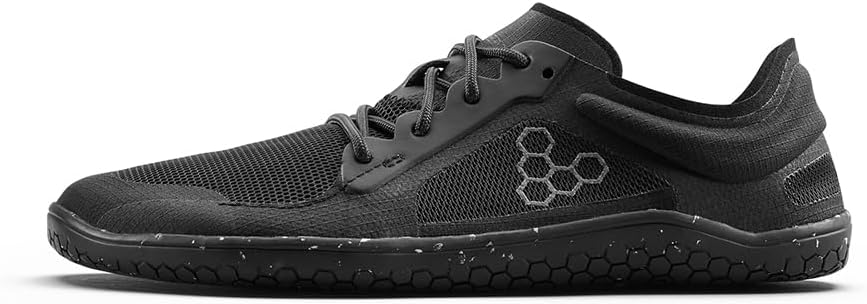
Vivobarefoot Primus Lite IV
The gold standard for everyday barefoot shoes. The Primus Lite IV delivers exceptional ground feel with a 6mm sole, wide toe box, and featherlight construction. Perfect for walking, light gym work, and daily wear.
✓ Pros
- • Ultra-thin sole for maximum ground feel
- • Extremely lightweight
- • Recycled materials
- • Versatile everyday shoe
✗ Cons
- • Premium price point
- • Durability concerns on rough surfaces
- • Takes adjustment if new to barefoot
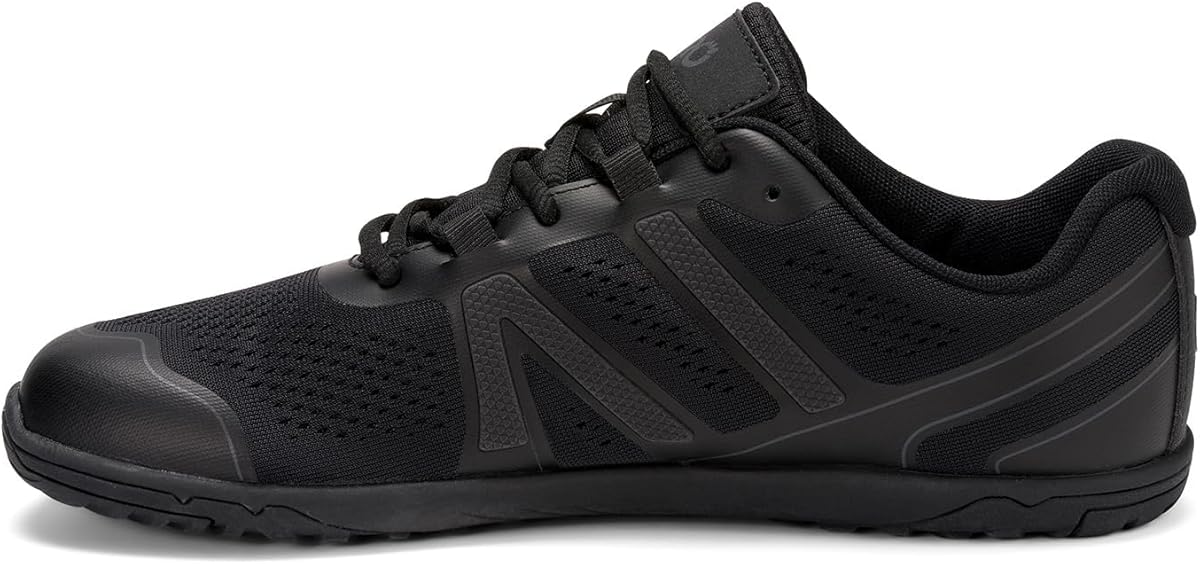
Xero Shoes HFS II
Xero's most popular shoe combines a thin, flexible sole with impressive durability. The HFS II works equally well for short runs and everyday wear, making it the best value in barefoot shoes.
✓ Pros
- • Excellent value for money
- • Good ground feel
- • Works for running and daily wear
- • 5,000-mile sole warranty
✗ Cons
- • Not as flexible as Vivobarefoot
- • Styling is polarizing
- • Can run narrow for very wide feet
FAQ
Is the Vivobarefoot Primus Lite worth the extra $50?
If you prioritize maximum ground feel and the lightest possible shoe, yes. The Primus Lite IV is noticeably more flexible and lighter. But if you want a durable all-rounder at a better price, the Xero HFS II is the smarter buy.
Which shoe is better for running?
The Xero HFS II. It's specifically designed for road running with a 5,000-mile sole warranty. The Primus Lite can handle light jogs but is primarily an everyday shoe.
Which is better for beginners?
Both are good for beginners, but the Xero HFS II's slightly firmer sole provides a gentler introduction. It's also $50 cheaper, which lowers the commitment. Start with the HFS II and graduate to the Primus Lite if you want more ground feel later. See our complete beginner's guide for more recommendations.
Can I use either shoe for gym workouts?
Yes. Both shoes work well for gym training, lifting, bodyweight exercises, and light cardio. The Primus Lite's thinner sole gives better stability for deadlifts and squats. The HFS II is better for mixed workouts that include treadmill running.