Best Barefoot Shoes for Beginners 2026: Start Here
New to barefoot shoes? We picked the 6 best beginner-friendly options, from budget to premium, with a complete transition guide to get you started safely.
Switching to barefoot shoes makes a huge difference for foot health, but the wrong first shoe can make the experience miserable. We picked 6 beginner-friendly options that ease the transition without compromising on what makes barefoot shoes great.
🏆 Quick Picks
- Best overall for beginners: Xero HFS II, durable, versatile, great value
- Best for wide feet: Lems Primal 2, widest toe box, gentle transition
- Best budget pick: WHITIN Minimalist Trail, try barefoot for under $45
- Best premium pick: Vivobarefoot Primus Lite IV, if you're going all in
Quick comparison
| Shoe | Price | Rating | Best For | |
|---|---|---|---|---|
| Xero Shoes HFS II | $110 | 4.5/5 | Best value | Check Price → |
| Lems Primal 2 | $105 | 4.4/5 | Wide feet | Check Price → |
| New Balance Minimus Trail v2 | $110 | 4.2/5 | Stealth barefoot | Check Price → |
| Vivobarefoot Primus Lite IV | $160 | 4.7/5 | Everyday wear | Check Price → |
| WHITIN Minimalist Trail Runner | $45 | 4/5 | Budget pick | Check Price → |
| Feelgrounds Original | $129 | 4.2/5 | Casual sneaker | Check Price → |
What makes a shoe beginner-friendly?
Not all barefoot shoes are equal when you're starting out. Here's what we looked for:
- Forgiving sole: A slightly thicker or firmer sole protects sensitive feet while you build strength
- Good value: You shouldn't spend $160+ on a shoe style you're not sure you'll love
- Versatility: A shoe that works for walking, errands, and maybe light exercise
- Normal-ish looks: Many people want to try barefoot shoes without looking like they joined a cult
- Wide toe box: Non-negotiable. Your toes need room to spread. That's the whole point
- Zero drop: 0mm heel-to-toe drop, so your foot sits flat and natural
Best barefoot shoes for beginners, reviewed
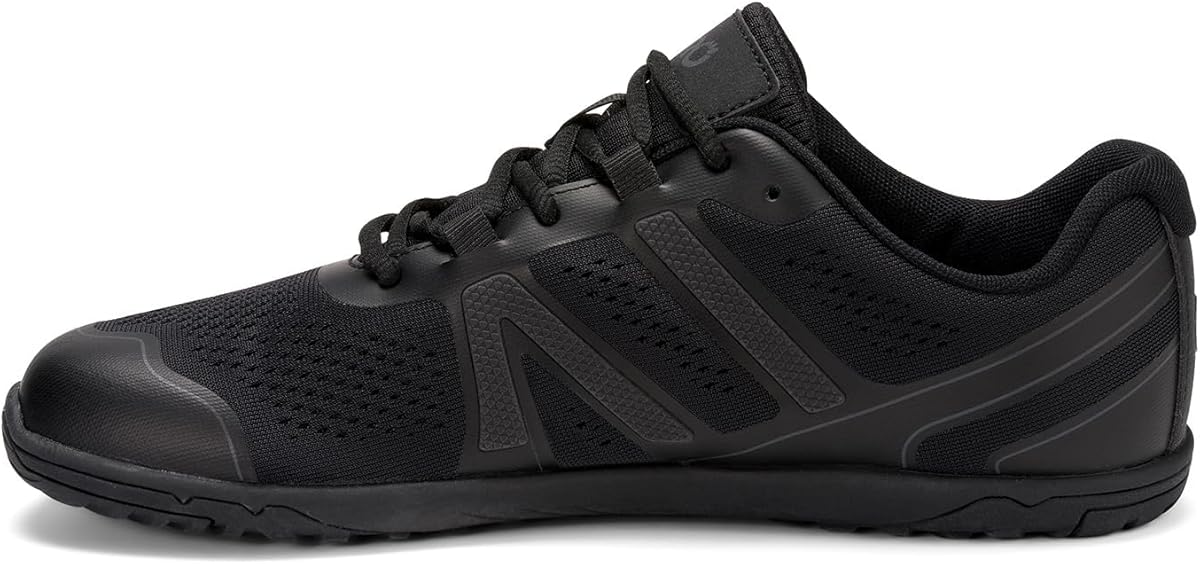
Xero Shoes HFS II
Xero's most popular shoe combines a thin, flexible sole with impressive durability. The HFS II works equally well for short runs and everyday wear, making it the best value in barefoot shoes.
✓ Pros
- • Excellent value for money
- • Good ground feel
- • Works for running and daily wear
- • 5,000-mile sole warranty
✗ Cons
- • Not as flexible as Vivobarefoot
- • Styling is polarizing
- • Can run narrow for very wide feet
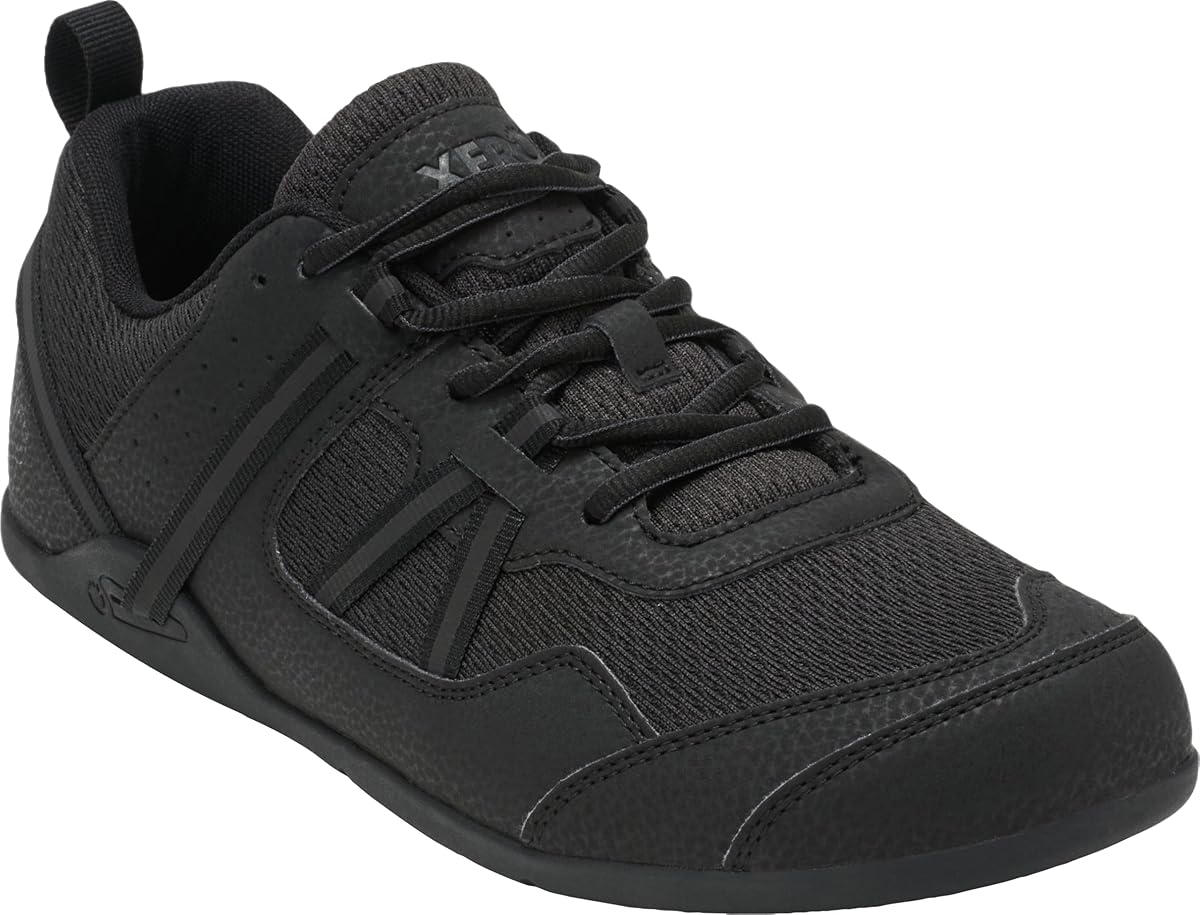
Lems Primal 2
Lems Primal 2 offers one of the widest toe boxes available with a natural foot shape and clean aesthetic. Slightly more cushioned than pure minimalist shoes, making it a great transitional option.
✓ Pros
- • Widest toe box in its class
- • Clean casual styling
- • Comfortable straight out of box
- • Good for wider feet
✗ Cons
- • Less ground feel than thinner options
- • Limited color options
- • Not ideal for running
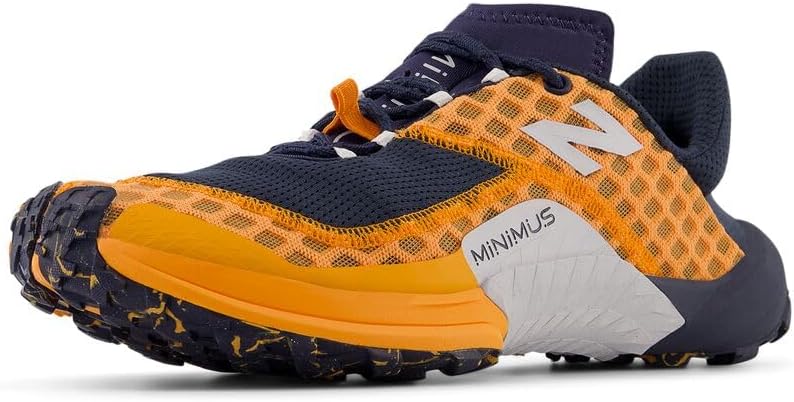
New Balance Minimus Trail v2
New Balance's Minimus looks like any other NB trainer, and that's the point. Zero drop with a Vibram sole, it's the stealth option for people who want barefoot benefits without the barefoot look.
✓ Pros
- • Mainstream brand recognition
- • Nobody will notice these are barefoot
- • Vibram outsole
- • Available everywhere
✗ Cons
- • Toe box narrower than dedicated barefoot brands
- • Less ground feel than true minimalist
- • NB sizing can vary
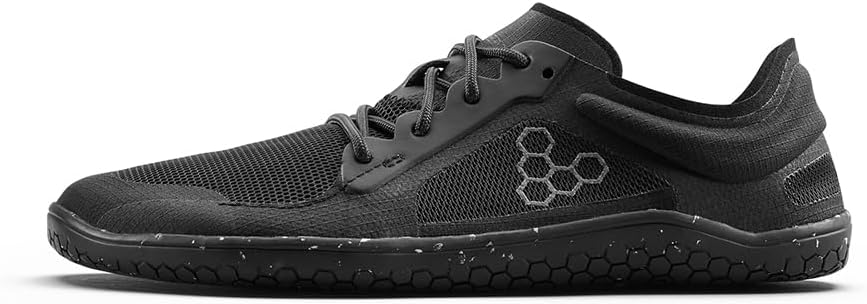
Vivobarefoot Primus Lite IV
The gold standard for everyday barefoot shoes. The Primus Lite IV delivers exceptional ground feel with a 6mm sole, wide toe box, and featherlight construction. Perfect for walking, light gym work, and daily wear.
✓ Pros
- • Ultra-thin sole for maximum ground feel
- • Extremely lightweight
- • Recycled materials
- • Versatile everyday shoe
✗ Cons
- • Premium price point
- • Durability concerns on rough surfaces
- • Takes adjustment if new to barefoot
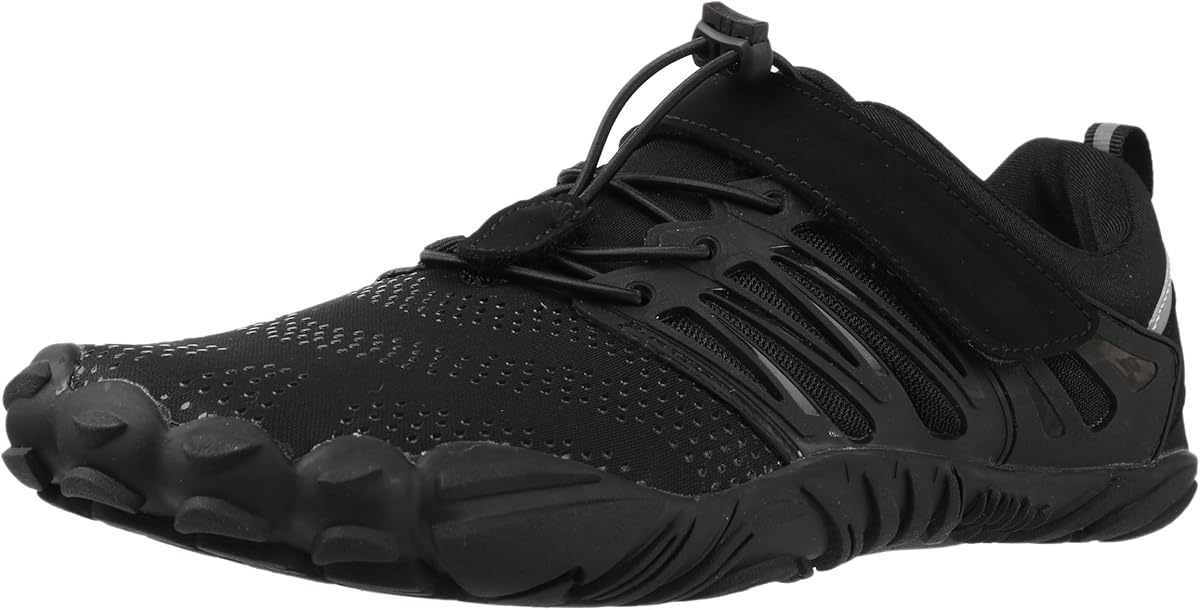
WHITIN Minimalist Trail Runner
At under $50, WHITIN's trail runner is the most affordable way to try barefoot shoes. Wide toe box, zero drop, and reasonable quality make it a risk-free entry point into minimalist footwear.
✓ Pros
- • Incredible value
- • Wide toe box
- • Good for trying barefoot shoes
- • Available on Amazon
✗ Cons
- • Less durable than premium brands
- • Basic materials
- • Sole grip is mediocre
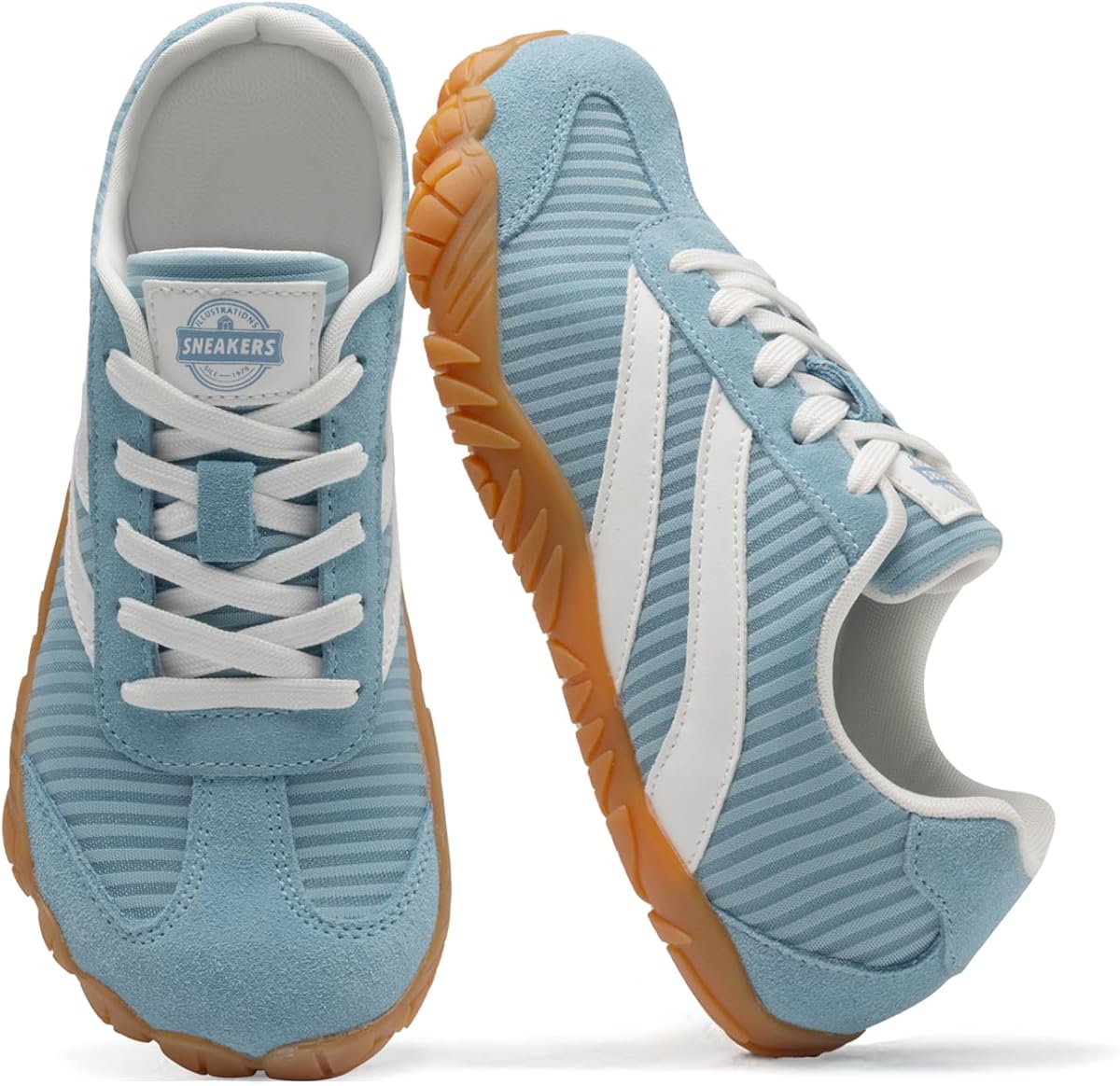
Feelgrounds Original
Feelgrounds' Original is a modern knit barefoot sneaker that doesn't look like a barefoot shoe. Machine washable, comfortable, and stylish, it's converting people who never thought they'd try barefoot.
✓ Pros
- • Knit upper is incredibly comfortable
- • Modern sneaker aesthetic
- • Machine washable
- • Good price point
✗ Cons
- • Knit isn't waterproof
- • Less durable than leather
- • Limited support for long walks on rough terrain
How to transition safely
The #1 reason people fail with barefoot shoes is going too fast. Your feet have been in conventional shoes for decades. Tey need time to adapt. Here's the plan:
| Week | What to do | What to expect |
|---|---|---|
| Week 1 | Walk barefoot at home 30 min/day | Mild calf soreness, heightened awareness of feet |
| Week 2-3 | Wear barefoot shoes 1-2 hours for light walking | Calves adapting, toes starting to spread |
| Week 4-5 | Increase to half-day wear | Improved balance, feet feeling stronger |
| Week 6-8 | Full-day wear for walking and standing | Noticeably better posture and foot strength |
| Month 3+ | Begin barefoot running or higher-intensity activities | Natural gait established, calves fully adapted |
Foot exercises that speed up the transition
- Toe yoga: Lift big toe while pressing other toes down, then switch. 2 min/day.
- Towel scrunches: Place a towel on the floor and scrunch it toward you with your toes. 3 sets of 10.
- Single-leg balance: Stand on one foot for 30 seconds. Progress to closing your eyes.
- Calf raises: 3 sets of 15, slowly. Eccentric (lowering) phase should take 3 seconds.
- Marble pickups: Pick up marbles with your toes. Silly? Yes. Effective? Also yes.
5 common beginner mistakes
- Going all-day on day one. Your feet need gradual loading. Start with 1-2 hours max.
- Running immediately. Walking transition first. Running in barefoot shoes requires different form, build up to it over 2-3 months.
- Buying the most minimal shoe possible. The Merrell Vapor Glove is an incredible shoe, but it's not a beginner shoe. Start with something slightly thicker.
- Ignoring pain. Mild muscle soreness is normal. Sharp or persistent pain is NOT. Listen to your body.
- Giving up after one week. The first 2 weeks are the hardest. Push through the mild soreness and you'll be rewarded with stronger, healthier feet.
⚕️ When to See a Doctor
Sharp pain in the heel, ball of foot, or Achilles tendon that doesn't improve with rest. Numbness or tingling. Any pain that lasts more than a few days. These are signs you're transitioning too fast or may have an underlying condition that needs attention.
FAQ
Are barefoot shoes good for beginners?
Yes, but you need to transition gradually. Start with 1-2 hours of walking per day and increase slowly over 6-8 weeks. Your feet need time to build strength. Choose a shoe with slightly more cushioning, like the Xero HFS II or Lems Primal 2, for your first pair.
How long does it take to adjust to barefoot shoes?
Most people need 4-8 weeks to fully adjust for all-day walking. For running, expect 8-12 weeks of gradual transition. Your calves and foot muscles need time to strengthen. Check out our transition guide for the full plan.
What's the cheapest way to try barefoot shoes?
The WHITIN Minimalist Trail Runner starts around $40 and gives you a genuine barefoot experience. It's a great way to test whether you like the feel before investing in a premium shoe.
Will my feet hurt when I start wearing barefoot shoes?
Some soreness in your calves and arches is normal during the first 1-2 weeks, your muscles are working harder than they're used to. Sharp pain is NOT normal and means you should slow down or consult a doctor.
Can I wear barefoot shoes if I have flat feet?
In many cases, yes, and they may actually help. Functional flat feet (caused by weak muscles) often improve with barefoot shoes as your foot muscles strengthen. See our best barefoot shoes for flat feet guide for specific recommendations. If you have structural flat feet, consult a podiatrist first.
Related guides
- Best Barefoot Shoes 2026, all categories
- Best Barefoot Shoes for Flat Feet
- Primus Lite vs. Xero HFS, detailed head-to-head
- Shoe Finder Quiz, find your match in 60 seconds
- Barefoot vs. Traditional Shoes
- Zero Drop Shoes Guide