Vivobarefoot Tracker vs. Lems Boulder Boot: which should you buy?
A detailed comparison of the two most popular barefoot boots, the rugged Vivobarefoot Tracker Forest ESC II and the versatile Lems Boulder Boot. We break down fit, durability, weather protection, and value.
The Vivobarefoot Tracker Forest ESC II and the Lems Boulder Boot are the two most popular barefoot boots, but they serve different purposes. The Tracker is a serious hiking boot. The Boulder Boot is a versatile everyday boot that can handle light trails. We've worn both to help you pick the right one.
🏆 Quick verdict
Choose the Vivobarefoot Tracker if you hike in rough terrain, wet conditions, or cold weather. It's a premium, purpose-built hiking boot.
Choose the Lems Boulder Boot if you want a versatile boot for everyday wear, travel, and light trails. It's lighter, more packable, and $100 cheaper.
Quick comparison
| Spec | Vivobarefoot Tracker Forest ESC II | Lems Boulder Boot |
|---|---|---|
| Price | $240 | $140 |
| Rating | 4.6/5 | 4.4/5 |
| Stack height | 8mm | 12mm |
| Weight | 13.4oz | 9.2oz |
| Toe drop | 0mm | 0mm |
| Toe box | Wide | Extra Wide |
| Waterproof | Yes. Full leather | No |
| Packable | No | Yes. Rolls up flat |
| Best for | Serious hiking, wet/cold conditions | Everyday wear, travel, light trails |
Design & build quality
Vivobarefoot Tracker Forest ESC II
The Tracker is built like a tank. Full-grain leather upper, thermal insulation, and a rugged outsole with deep lugs. It looks and feels like a proper hiking boot, just with a zero-drop sole and a wide toe box hiding underneath. The leather develops beautiful patina over time, and the build quality is unmistakably premium. At 13.4oz, it's the heaviest barefoot boot we recommend, but that weight buys you serious protection.
Lems Boulder Boot
The Boulder Boot takes the opposite approach. It's lightweight (9.2oz), flexible, and designed to roll up flat for packing. The upper is a combination of canvas and suede depending on the colorway, more casual than the Tracker but still well-made. The IBR outsole is thicker at 12mm, giving more cushioning but less ground feel. The standout feature is the extra-wide toe box, it's one of the widest in any barefoot boot.
Winner: Vivobarefoot Tracker for build quality. Lems Boulder Boot for versatility and packability.
Ground feel & flexibility
Despite having a thicker stack height (12mm vs. 8mm), the Boulder Boot's IBR sole is surprisingly flexible. But the Tracker's thinner sole delivers noticeably more ground feel. Yu can feel rocks, roots, and terrain changes underfoot. For hikers who want that sensory connection to the trail, the Tracker is the clear winner.
The Boulder Boot's extra cushioning is actually an advantage for everyday wear and for people transitioning from conventional boots. You get the zero-drop, wide-toe-box benefits without the intensity of a thin sole on pavement.
Winner: Vivobarefoot Tracker for ground feel. Lems Boulder Boot for cushioned comfort.
Comfort & fit
The Boulder Boot wins on out-of-box comfort. The soft materials, extra-wide toe box, and cushioned sole make it wearable from day one. It's like a slipper in boot form.
The Tracker needs a break-in period, 1 to 2 weeks of shorter wear sessions while the leather softens and molds to your foot. After break-in, it's extremely comfortable, but those first few days can feel stiff. The toe box is wide by hiking boot standards but narrower than the Boulder Boot's extra-wide footbed.
Winner: Lems Boulder Boot for immediate comfort and toe splay. Tracker catches up after break-in.
Weather protection
This isn't even close. The Tracker's waterproof leather upper, thermal insulation, and sealed construction handle rain, snow, mud, and cold temperatures. It's a genuine four-season hiking boot.
The Boulder Boot is not waterproof. Canvas and suede will soak through in rain, and there's no insulation. It's a fair-weather boot. You can treat it with water-resistant spray, but it'll never match real waterproofing. For wet or cold conditions, the Tracker is the only choice.
Winner: Vivobarefoot Tracker, decisively.
Durability
The Tracker's full-grain leather is built to last years with proper care, conditioning the leather every few months keeps it supple and waterproof. The sole is durable on rocky terrain. This is a boot you can resoleable and keep for a long time.
The Boulder Boot is durable for its weight class but won't match the Tracker's longevity. The canvas versions show wear faster than the leather/suede options. The IBR outsole holds up well for everyday use but wears down faster on rocky trails. Expect 1-2 years of regular use.
Winner: Vivobarefoot Tracker.
Value for money
At $140 vs. $240, the Boulder Boot costs $100 less. For its intended purpose, everyday wear, travel, and light trails, it's excellent value. The packable design means it also doubles as a travel boot, replacing a separate shoe in your luggage.
The Tracker's $240 price tag is steep, but it's competing with $300+ hiking boots from Salomon and LOWA. For a waterproof, zero-drop hiking boot with this build quality, it's actually reasonable. The question is whether you need a dedicated hiking boot or a versatile everyday boot.
Winner: Depends on use case. Boulder Boot for everyday value. Tracker for hiking value.
Who should buy which?
Buy the Tracker if you:
- Hike regularly in varied conditions
- Need waterproof protection
- Want maximum ground feel in a boot
- Hike in cold or wet weather
- Value long-term durability over price
Buy the Boulder Boot if you:
- Want an everyday boot that can handle light trails
- Travel frequently and need a packable boot
- Have extra-wide feet and need maximum toe splay
- New to barefoot and want a cushioned transition
- Want great value at a lower price point
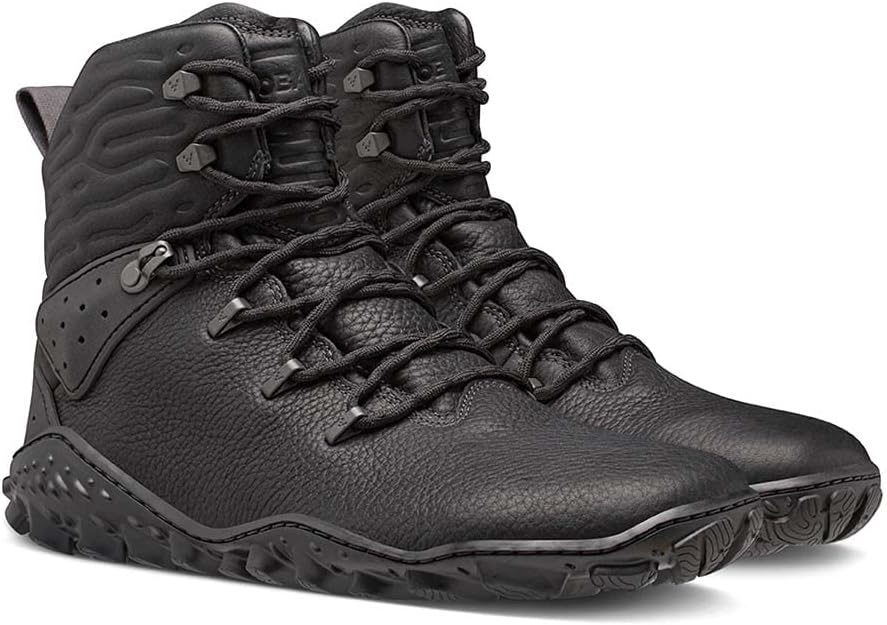
Vivobarefoot Tracker Forest ESC II
The Tracker Forest ESC II is Vivobarefoot's premium hiking boot, full leather, thermal insulation, and aggressive grip. The go-to choice for barefoot hikers tackling serious terrain in any weather.
✓ Pros
- • Excellent ankle support
- • Waterproof leather upper
- • Great trail grip
- • Premium build quality
✗ Cons
- • Very expensive
- • Heavy for a barefoot boot
- • Long break-in period
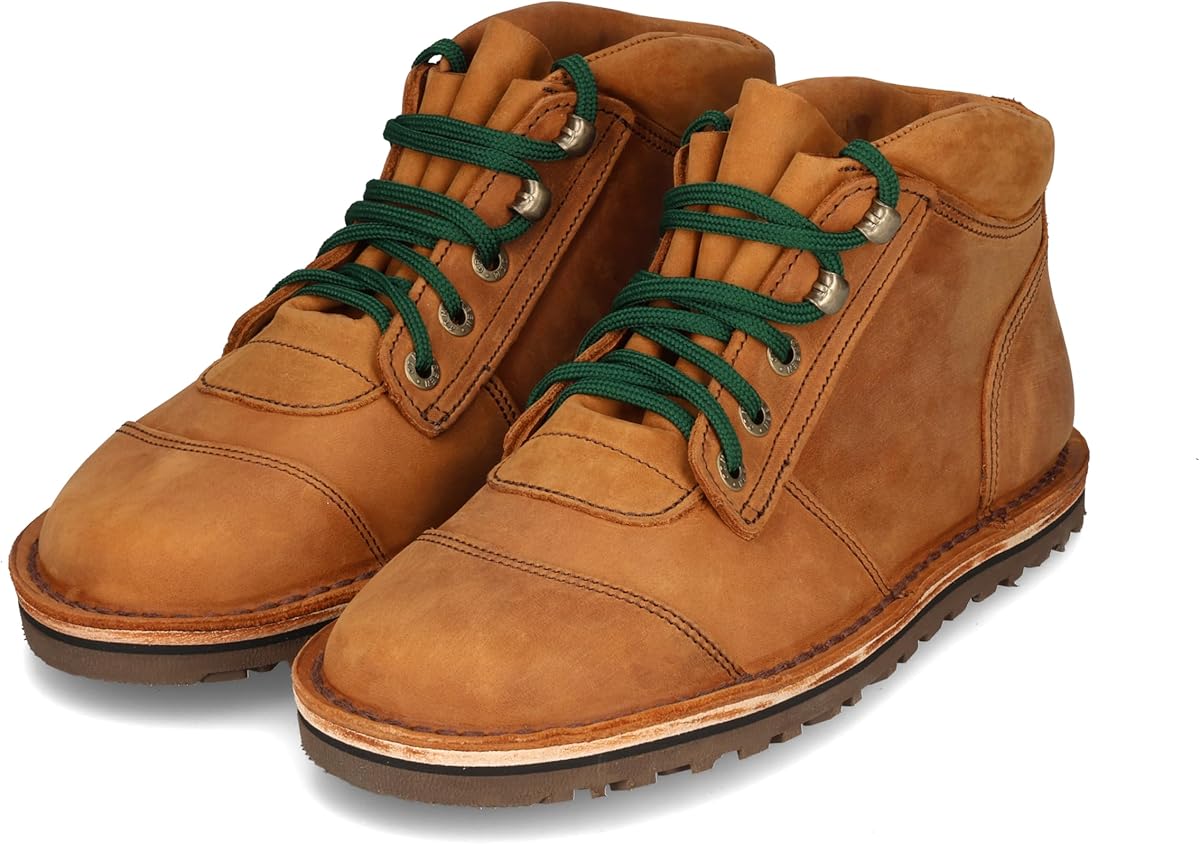
Lems Boulder Boot
The Boulder Boot is Lems' iconic barefoot boot, packable, extra-wide toe box, and versatile enough for trails or coffee shops. One of the most popular barefoot boots and a great entry point.
✓ Pros
- • Extremely wide toe box
- • Versatile casual-to-trail style
- • Roll-up packable design
- • Good value
✗ Cons
- • Not waterproof
- • Less ground feel with 12mm stack
- • Laces can be finicky
FAQ
Is the Vivobarefoot Tracker worth $100 more?
If you hike in rain, mud, or cold weather regularly, yes. The Tracker's waterproof leather and thermal insulation justify the price for serious outdoor use. For casual wear, light trails, and travel, the Boulder Boot gives you 80% of the experience at 60% of the cost.
Which boot is better for hiking?
The Vivobarefoot Tracker. Waterproof leather, aggressive tread, thermal insulation, it's purpose-built for the trail. The Boulder Boot works for day hikes on maintained trails but isn't designed for backcountry use. See our full barefoot hiking shoe rankings for more options.
Can I wear either boot as an everyday boot?
The Boulder Boot is the better everyday boot, lighter, more packable, casual styling that works with jeans. The Tracker is bulkier and looks more like a hiking boot, though the brown leather version can work for casual wear.
Which has a wider toe box?
The Lems Boulder Boot. Its extra-wide toe box is one of the widest in any barefoot boot. If toe splay is your priority, also check our wide toe box shoes guide.
Are either of these boots good for beginners?
The Boulder Boot is better for beginners, its 12mm stack height provides more cushioning during the transition. The Tracker's 8mm sole delivers more ground feel, which can be intense for new barefoot wearers. See our beginner's guide for more recommendations.