Best barefoot shoes for plantar fasciitis 2026
Barefoot shoes can help plantar fasciitis, if you transition safely. We picked the 6 best minimalist shoes for PF, plus a week-by-week transition plan to avoid flare-ups.
Plantar fasciitis is the #1 reason people either try barefoot shoes or avoid them entirely. Both reactions make sense, the plantar fascia needs stronger muscles to support it, but switching too fast will make things worse. We picked 6 shoes that let you transition safely, from cushy starter options to advanced minimalist picks.
🏆 Quick picks
- Best overall for PF: Lems Primal 2, wide toe box, 9mm cushioning, ideal transition shoe
- Gentlest transition: Lems Boulder Boot, 12mm stack, ankle support, most protective
- Best value: Xero HFS II, versatile daily driver at $110
- Budget try: WHITIN Minimalist Trail, test the approach for under $45
⚠️ Important disclaimer
We're not doctors. Plantar fasciitis has multiple causes, and barefoot shoes aren't appropriate for everyone. If your pain is severe, worsening, or hasn't improved after 2-3 months of conservative treatment, see a podiatrist or sports medicine doctor before changing your footwear.
Quick comparison
| Shoe | Price | Rating | Best For | |
|---|---|---|---|---|
| Lems Primal 2 | $105 | 4.4/5 | Wide feet | Check Price → |
| New Balance Minimus Trail v2 | $110 | 4.2/5 | Stealth barefoot | Check Price → |
| Xero Shoes HFS II | $110 | 4.5/5 | Best value | Check Price → |
| Lems Boulder Boot | $140 | 4.4/5 | Versatile boot | Check Price → |
| WHITIN Minimalist Trail Runner | $45 | 4/5 | Budget pick | Check Price → |
| Vivobarefoot Primus Lite IV | $160 | 4.7/5 | Everyday wear | Check Price → |
Can barefoot shoes actually help plantar fasciitis?
The conventional approach to plantar fasciitis is arch support, cushioning, and heel cups. This treats the symptom (pain) but not the cause (weak foot muscles and tight calves). Barefoot shoes take the opposite approach. Tey let your foot muscles work, which over time strengthens the structures that support the plantar fascia.
Why barefoot shoes can help
- Strengthen intrinsic foot muscles that support the arch
- Zero drop position stretches the Achilles and calf, the #1 contributor to PF
- Wide toe box lets toes spread and grip, sharing the load
- Address the root cause rather than masking symptoms
Why you must go slow
- Weak muscles can't handle full load immediately
- Inflamed fascia needs time to adapt to new mechanics
- Tight calves need gradual stretching, not sudden change
- Too-fast transition is the #1 cause of barefoot shoe injuries
A study in the British Journal of Sports Medicine found that foot strengthening exercises significantly reduced plantar fasciitis pain. Barefoot shoes facilitate exactly this kind of muscle activation during everyday walking. The key is combining appropriate footwear with targeted exercises and a very gradual transition.
What to look for
- Moderate stack height (9-12mm) to start: You need some cushioning while your feet build strength. Ultra-thin soles can overload an already-irritated fascia.
- Zero drop (flat heel-to-toe): Heel-elevated shoes shorten the calf muscles, which pulls on the plantar fascia. Zero drop gently stretches the posterior chain, the most effective long-term fix.
- Wide toe box: Lets your toes spread and share the load across the entire foot instead of concentrating pressure on the heel and arch.
- Flexible sole: Allows natural foot movement and muscle activation, but avoid paper-thin soles until you've built baseline strength.
- No arch support: Counterintuitive but important. Built-in support does the work for your muscles, preventing the strengthening you need.
Best barefoot shoes for plantar fasciitis, reviewed
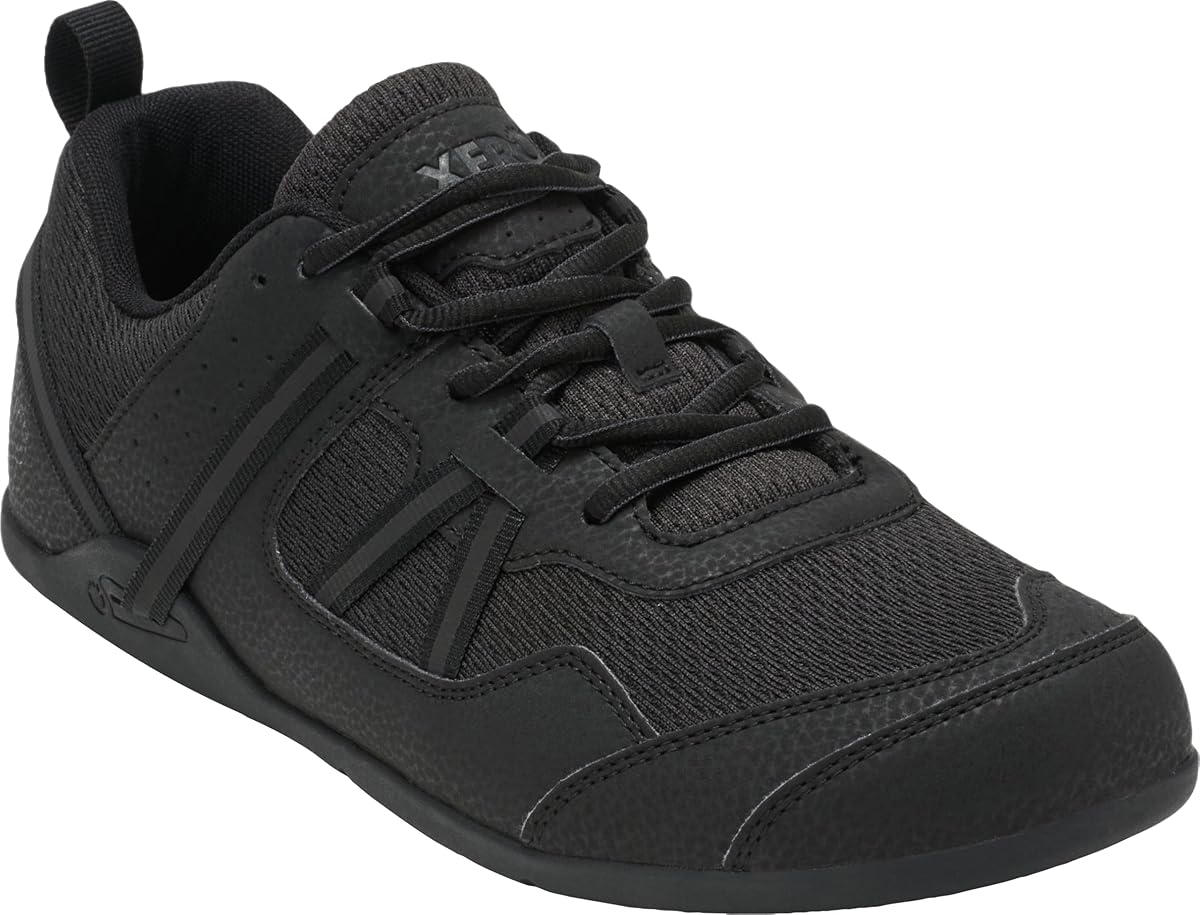
Lems Primal 2
Lems Primal 2 offers one of the widest toe boxes available with a natural foot shape and clean aesthetic. Slightly more cushioned than pure minimalist shoes, making it a great transitional option.
✓ Pros
- • Widest toe box in its class
- • Clean casual styling
- • Comfortable straight out of box
- • Good for wider feet
✗ Cons
- • Less ground feel than thinner options
- • Limited color options
- • Not ideal for running
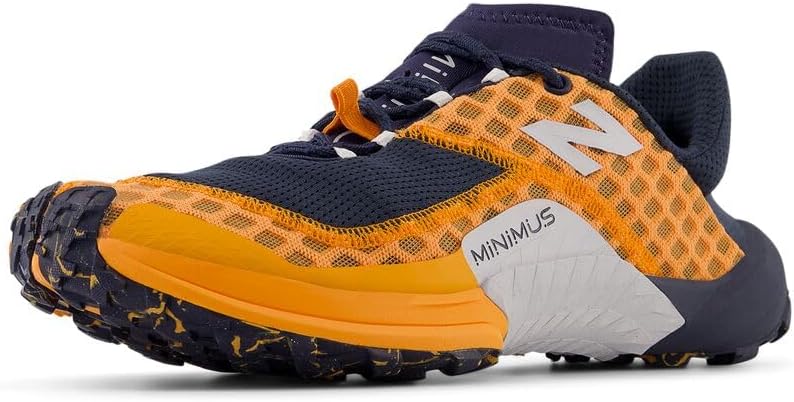
New Balance Minimus Trail v2
New Balance's Minimus looks like any other NB trainer, and that's the point. Zero drop with a Vibram sole, it's the stealth option for people who want barefoot benefits without the barefoot look.
✓ Pros
- • Mainstream brand recognition
- • Nobody will notice these are barefoot
- • Vibram outsole
- • Available everywhere
✗ Cons
- • Toe box narrower than dedicated barefoot brands
- • Less ground feel than true minimalist
- • NB sizing can vary
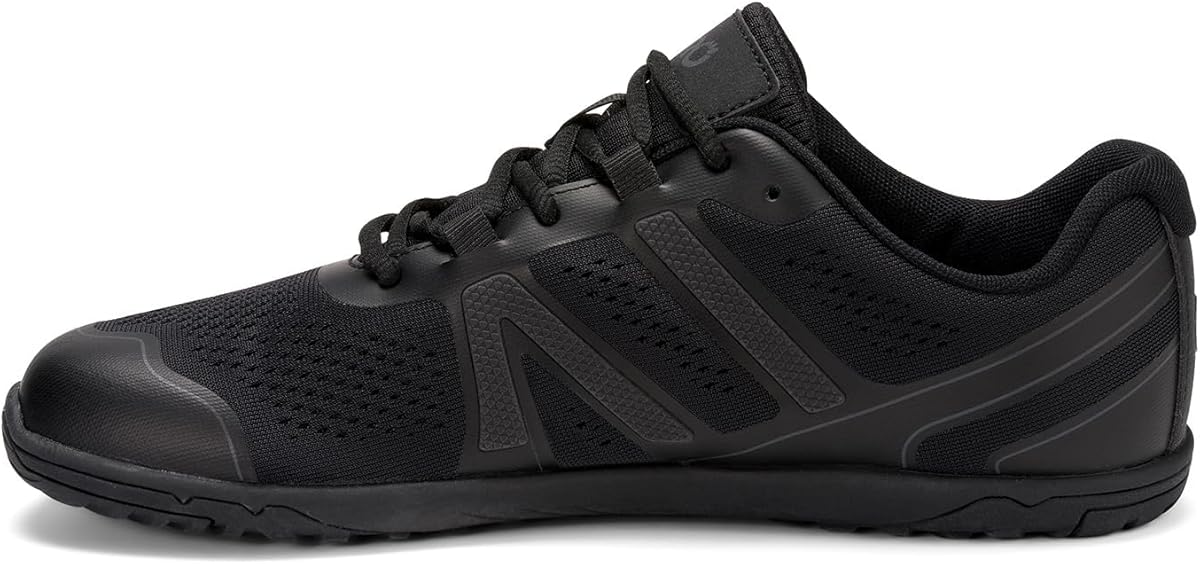
Xero Shoes HFS II
Xero's most popular shoe combines a thin, flexible sole with impressive durability. The HFS II works equally well for short runs and everyday wear, making it the best value in barefoot shoes.
✓ Pros
- • Excellent value for money
- • Good ground feel
- • Works for running and daily wear
- • 5,000-mile sole warranty
✗ Cons
- • Not as flexible as Vivobarefoot
- • Styling is polarizing
- • Can run narrow for very wide feet
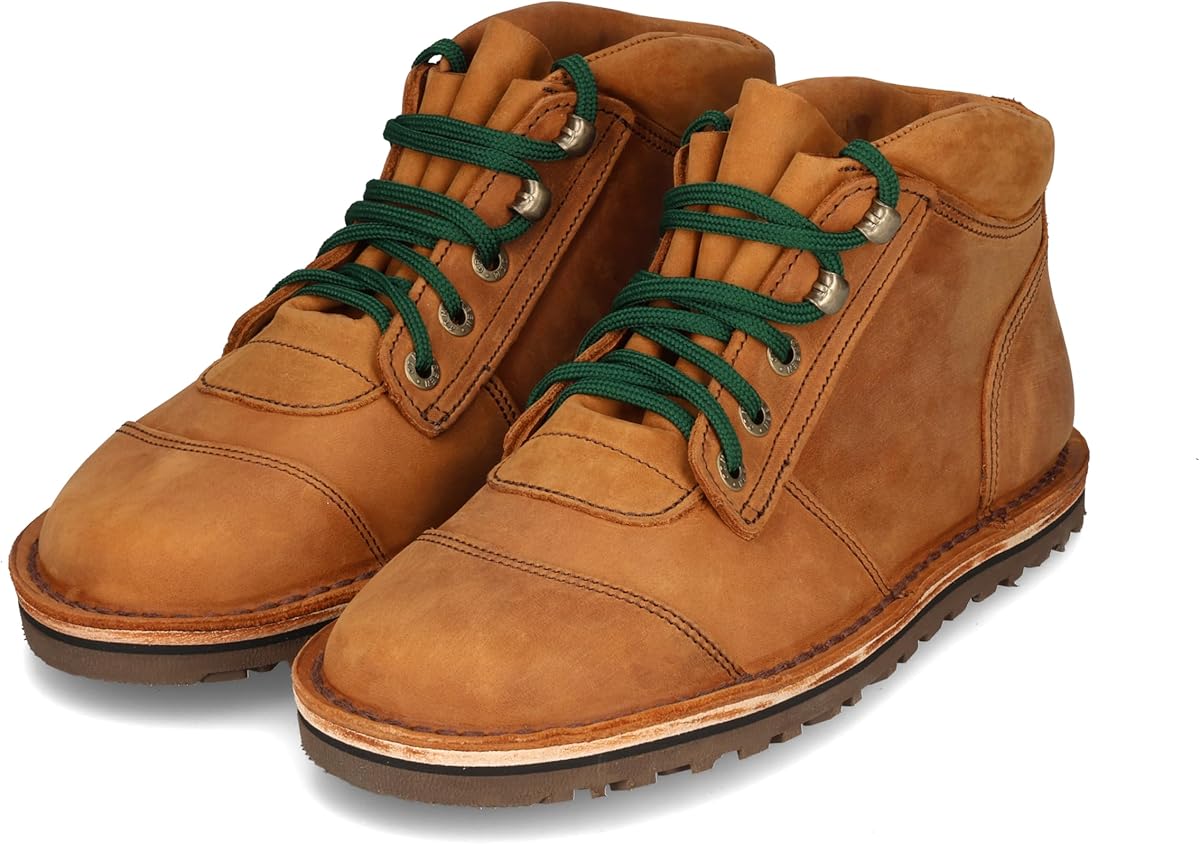
Lems Boulder Boot
The Boulder Boot is Lems' iconic barefoot boot, packable, extra-wide toe box, and versatile enough for trails or coffee shops. One of the most popular barefoot boots and a great entry point.
✓ Pros
- • Extremely wide toe box
- • Versatile casual-to-trail style
- • Roll-up packable design
- • Good value
✗ Cons
- • Not waterproof
- • Less ground feel with 12mm stack
- • Laces can be finicky
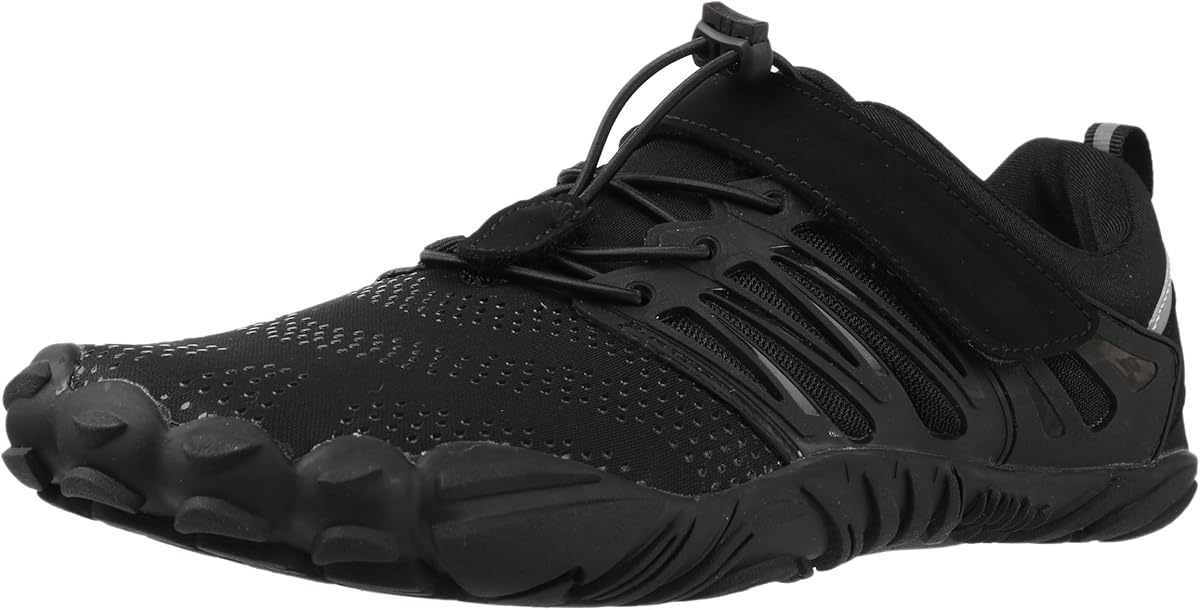
WHITIN Minimalist Trail Runner
At under $50, WHITIN's trail runner is the most affordable way to try barefoot shoes. Wide toe box, zero drop, and reasonable quality make it a risk-free entry point into minimalist footwear.
✓ Pros
- • Incredible value
- • Wide toe box
- • Good for trying barefoot shoes
- • Available on Amazon
✗ Cons
- • Less durable than premium brands
- • Basic materials
- • Sole grip is mediocre
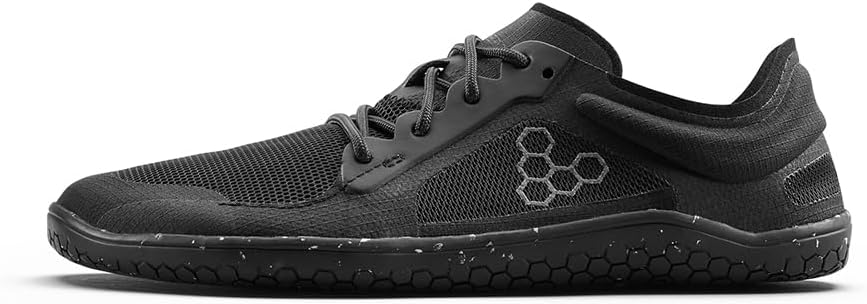
Vivobarefoot Primus Lite IV
The gold standard for everyday barefoot shoes. The Primus Lite IV delivers exceptional ground feel with a 6mm sole, wide toe box, and featherlight construction. Perfect for walking, light gym work, and daily wear.
✓ Pros
- • Ultra-thin sole for maximum ground feel
- • Extremely lightweight
- • Recycled materials
- • Versatile everyday shoe
✗ Cons
- • Premium price point
- • Durability concerns on rough surfaces
- • Takes adjustment if new to barefoot
Transition guide for plantar fasciitis
This is the most critical section on this page. A bad transition will make your plantar fasciitis worse. Follow this timeline, it's slower than our beginner guide for a reason.
| Phase | Duration | What to do | Warning signs |
|---|---|---|---|
| Pre-transition | Weeks 1-3 | Don't change shoes yet. Start calf stretches, towel scrunches, and marble pickups daily. Walk barefoot on carpet for 10-15 min. | Sharp morning heel pain = wait longer |
| Phase 1 | Weeks 4-5 | Wear barefoot shoes 30-60 minutes per day, indoors only. Continue exercises. | Any increase in PF pain = reduce time |
| Phase 2 | Weeks 6-9 | Increase to 2-3 hours daily. Short outdoor walks (flat surfaces). | Heel pain after walks = you're pushing too hard |
| Phase 3 | Months 3-4 | Half-day wear. Add varied terrain. Keep your old shoes for long days. | Persistent morning stiffness = slow down |
| Phase 4 | Months 5-6 | Full-day wear on most days. Old shoes for demanding activities if needed. | — |
| Phase 5 | Month 7+ | Progress to thinner soles if desired. Most PF symptoms should be gone. | — |
The golden rule: If your plantar fasciitis gets worse at any point, drop back to the previous phase for 2 weeks before trying again. There's no rush. A slow, pain-free transition beats a fast one that sidelines you for months.
Exercises that help plantar fasciitis
These exercises are more important than the shoes themselves. Do them daily, morning and evening if possible.
🔥 Priority exercises
- Calf wall stretch: 30 seconds each leg, 3 times. Tight calves are the biggest contributor to PF, stretch them relentlessly.
- Eccentric calf raises: Rise on both feet, lower slowly on one foot (3 seconds down). 3 sets of 12. This is the single best exercise for Achilles/PF health.
- Plantar fascia stretch: Cross one foot over the opposite knee, pull toes back toward shin. Hold 30 seconds, 3 times per foot. Do this before getting out of bed.
💪 Strengthening exercises
- Short foot exercise: Standing, try to shorten your foot by pulling the ball toward the heel (without curling toes). Hold 5 sec, 10 reps. Builds arch strength.
- Towel scrunches: Lay a towel flat, scrunch it toward you with your toes. 3 sets of 10.
- Frozen bottle roll: Roll a frozen water bottle under your foot for 5 minutes. Combines massage with ice therapy for pain relief.
FAQ
Are barefoot shoes good for plantar fasciitis?
For many people, yes, but the transition must be very gradual. Barefoot shoes strengthen the intrinsic foot muscles that support the plantar fascia. However, switching too quickly from supportive shoes can temporarily worsen symptoms. Start with cushioned minimalist shoes and progress slowly over 3-6 months.
Can barefoot shoes cause plantar fasciitis?
Switching to barefoot shoes too quickly can trigger plantar fasciitis, especially if your foot muscles are weak. The key is a gradual transition, start with 30 minutes per day and increase slowly. Pair with calf stretches and foot strengthening exercises.
What type of barefoot shoe is best for plantar fasciitis?
Start with a shoe that has a wider sole (9-12mm stack height), a wide toe box, and zero drop. Shoes like the Lems Primal 2 or New Balance Minimus offer some cushioning while still being minimalist. Avoid ultra-thin soles until your feet are stronger.
How long does it take for barefoot shoes to help plantar fasciitis?
Most people need 3-6 months of gradual transition combined with foot exercises to see significant improvement. Some feel relief within weeks as foot muscles activate, while others experience a temporary increase in discomfort before things improve.
Should I still use orthotics while transitioning to barefoot shoes?
You can use orthotics in your regular shoes while gradually introducing barefoot shoes for short periods. Over time, as your foot muscles strengthen, many people find they need orthotics less. Don't go cold turkey on orthotics, reduce use gradually alongside your barefoot transition.
Related guides
- Best barefoot shoes for flat feet, often related to PF
- Best barefoot shoes for beginners, complete starter guide
- Best barefoot shoes 2026, all categories
- Wide toe box shoes, essential for foot health
- Barefoot vs. traditional shoes, the science
- Zero drop shoes guide, why heel drop matters for PF
- Shoe finder quiz, find your match in 60 seconds